If you’ve ever wondered why answers by ChatGPT sometimes feel spot-on, and other times slightly off, you’re not alone. According to a 2025 global study, 66% of people now use AI regularly, yet less than half (46%) of users are willing to trust AI systems to provide accurate answers.
When AI becomes part of your writing, research, or content workflow, understanding its process is equally important.
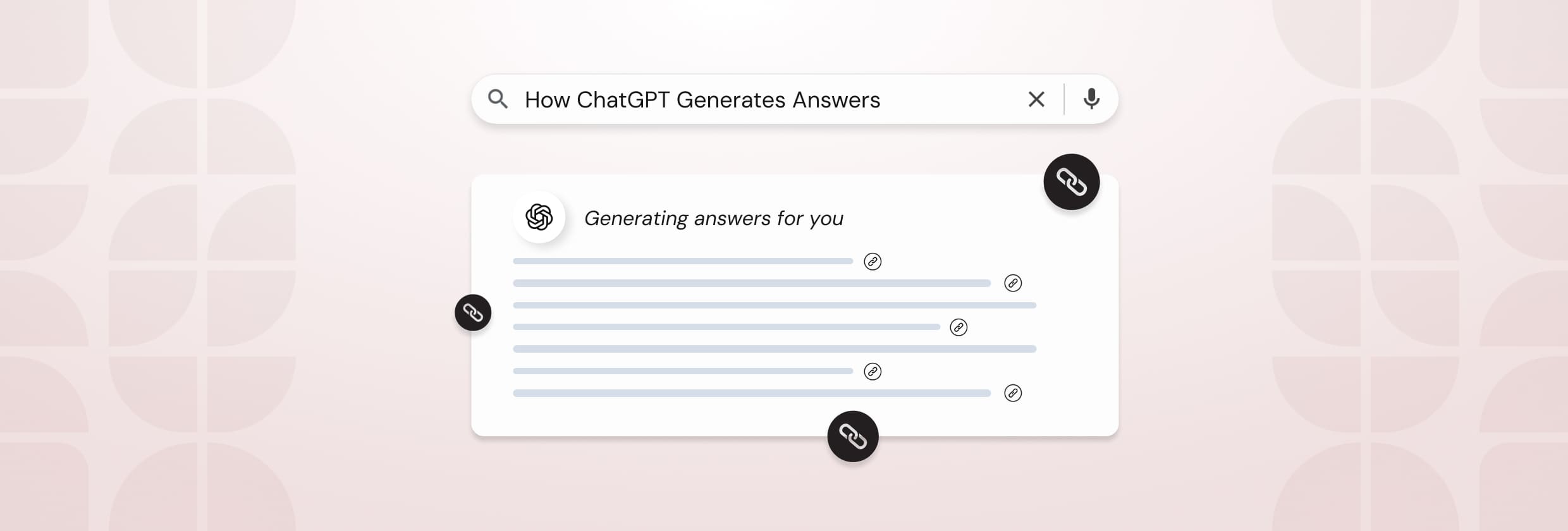
This post breaks down how ChatGPT Answers are formed, why prompt responses matter for discovery, and how creators can work with AI systems more effectively. Along the way, we’ll connect AI-generated answers with search behavior, authority, and brand exposure, plus explain features of visibility tracking tools that matter in the first place.
In this blog, you’ll learn:
- How ChatGPT generates answers step by step
- Why prompt wording directly affects responses
- How training data shapes what AI can (and cannot) explain
- Where AI answers help and where they fall short
- How understanding ChatGPT Answers supports better content decisions
What Is ChatGPT and Why Its Answers Matter
ChatGPT is an AI-powered language model designed to generate text-based answers to user input. At its core, it predicts words based on patterns learned during training. The model has been trained on massive volumes of written data, which is why its responses can feel surprisingly human.
People rely on ChatGPT Answers because they are fast, conversational, and easy to access. Instead of clicking through multiple resources, users often expect immediate explanations, examples, or summaries for complex questions.
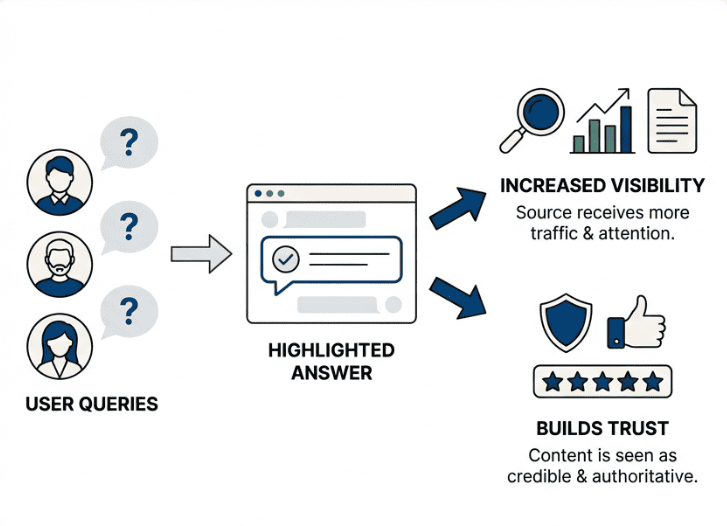
Here’s where it gets interesting for creators and brands. As AI answers appear more frequently in search-like experiences, they increasingly influence:
- What content gets noticed
- Which ideas feel trustworthy
- How authority is perceived
This growing reliance on prompt responses is why creators and brands need to understand how AI-generated answers are formed and surfaced.
The Core Technology Behind ChatGPT Answers
ChatGPT is built on transformer-based neural networks, a type of AI system that specializes in understanding and generating human language. These systems don’t store facts like a database. Instead, they learn relationships between words, phrases, and ideas.
How ChatGPT Learns From Training Data
ChatGPT is trained on a mix of licensed data, human-created text, and publicly available content. This training data process teaches the model grammar, tone, and common ways concepts are explained.
Importantly, the model doesn’t remember specific documents or sources. It learns patterns across millions of examples, then uses those patterns to generate new text.

What Language Prediction Means in Practice
When a user submits a prompt, ChatGPT does not search the web. Instead, it calculates probabilities to determine which word is most likely to come next based on context. It repeats this process token by token until a complete answer is produced.
Your phone predicts the next word in a text message. ChatGPT does the same thing but across entire paragraphs, maintaining context and coherence throughout.
Limits of the Knowledge Base
The built-in knowledge base is static. ChatGPT cannot access live data or verify current events unless explicitly connected to external systems.
This means the model’s knowledge has a cutoff date, and anything happening after that date won’t be reflected in its responses. This limitation affects accuracy and relevance, particularly for time-sensitive topics like news, current events, or recent research.
How ChatGPT Generates Answers Step by Step
Understanding the generation process removes much of the mystery around AI responses.
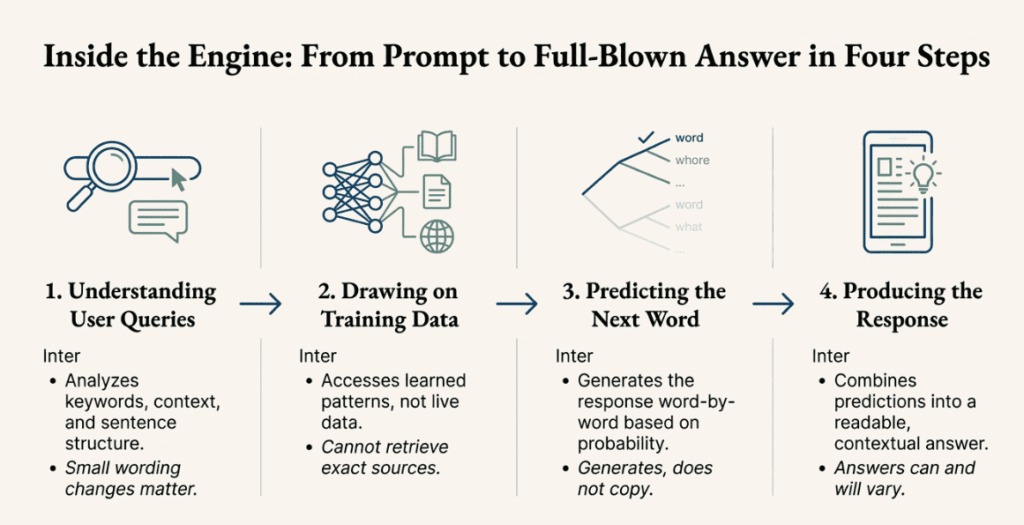
Step 1: Understanding User Queries
The process begins when a user enters a prompt. ChatGPT analyzes:
- Keywords
- Context from earlier conversation
- Sentence structure
Even small changes in wording can lead to different ChatGPT Answers, especially when the same prompt is phrased multiple times. The model doesn’t just read your words. It interprets intent, tone, and implied expectations based on how similar questions were answered in its training data.
Step 2: Learning From Training Data
ChatGPT draws on patterns learned during training. These include explanations of topics like quantum mechanics, writing techniques, or code examples. However, it does not retrieve exact sources or reference specific documents.
Because the model cannot fetch live data, outdated or missing information can lead to errors. This is particularly common with niche topics, recent developments, or highly specialized fields where training data may be limited. This is one reason answers should always be reviewed.
Step 3: Predicting the Most Likely Next Word
Each response is generated word by word. Probability drives the process. The model chooses the next word that best fits the context, tone, and subject.
This explains why responses feel natural but are not copied from anywhere. Structure, style, and flow emerge from prediction, not memory. The model weighs thousands of possible word choices at each step, selecting the option that best continues the pattern it has learned.
Step 4: Producing Complete, Contextual Responses
Predictions are combined into full answers that aim to stay relevant and readable. Context from the conversation helps maintain continuity, but variation still occurs. Two similar questions may receive different ChatGPT Answers depending on phrasing and constraints.
The model also applies constraints like length, formality, and structure based on how the prompt is framed.
Why ChatGPT Does Not Always Give the Same Answer
Many users expect consistent results from AI, so it can feel confusing when ChatGPT Answers shift even when the question looks similar. This variation is not accidental, it comes from how the system interprets and responds to language.
Reason 1: Small Changes in Prompts Create Big Differences
Even minor wording changes can influence how the model interprets intent. A question framed broadly invites exploration, while a tightly worded request narrows the response. Open-ended phrasing gives the model more room to respond differently, which can affect tone, structure, and depth.
Sources: Prompt engineering best practices for ChatGPT | OpenAI Help Center
For example, asking “What is photosynthesis?” might get you a textbook definition. Asking “Explain photosynthesis like I’m 10 years old” will generate a completely different answer with simpler language and relatable examples. The core information is the same, but the presentation changes entirely.
Reason 2: Probability and Variation in Responses
ChatGPT generates text based on likelihood, not certainty. Each response is built word by word, and that process includes variation. At certain decision points, multiple words might have similar probabilities. The model picks one, which can steer the entire response in a slightly different direction.
Over time, this leads to slightly different explanations even for the same topic. Asking the same question multiple times reveals these patterns and helps you spot inconsistencies or missing details.
Why This Matters for Creators and Marketers
For anyone relying on AI for content, inconsistency affects clarity and trust. Running prompts more than once and comparing outputs can reveal strengths, gaps, or areas that need correction.
This practice supports a deeper understanding of how AI responds and where human judgment should step in.
How ChatGPT Handles Complex Questions
Complex questions require more than short replies. ChatGPT is often useful in these situations, but understanding how it responds helps users set realistic expectations.
1. Connecting Information Across Topics
ChatGPT is effective at linking related ideas into structured explanations. It can organize key concepts, explain layered subjects, and break down multi-step questions into readable sections.
The model excels at synthesis, pulling together different aspects of a topic into a cohesive narrative. This ability makes it helpful for students, researchers, and professionals approaching unfamiliar material.
2. Where Complexity Becomes a Risk
When a question reaches beyond the model’s available context or training patterns, accuracy can suffer. If the system lacks sufficient information, it may fill gaps with plausible-sounding guesses. These responses often read smoothly, which makes errors harder to detect.
3. Using AI Carefully With Advanced Topics
For technical or high-stakes subjects, AI output should be reviewed and refined. Treat responses as a starting point, then fine tune them using reliable sources and expert input. This approach balances efficiency with responsibility and helps prevent subtle mistakes from spreading.
Does ChatGPT Really Understand or Just Predict?
At a glance, ChatGPT Answers can feel thoughtful and intentional. The sentences flow well. The explanations sound confident. Still, what’s happening under the surface is very different from human understanding.
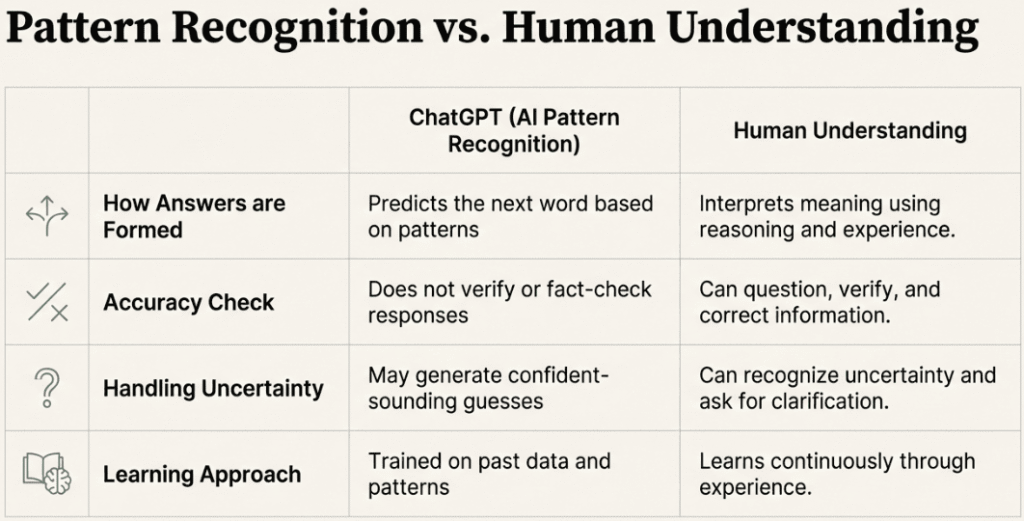
Pattern Recognition vs. Human Understanding
ChatGPT does not understand the way people do. The model identifies patterns across language rather than forming beliefs or awareness. There is no internal sense of truth, emotion, or intent, only prediction.
That distinction matters. The model looks at your prompt, analyzes the words, and predicts what usually comes next based on its training. It doesn’t pause to evaluate accuracy or reflect on ideas. It simply continues the sequence as precisely as possible.
Why Prediction Can Still Be Useful
Even without understanding, prediction can be effective. For many everyday tasks, such as drafting content, summarizing a subject, or outlining ideas, pattern recognition does the job.
For example, a user asking for an explanation of a topic will often receive a clear response because the model has seen thousands of similar explanations during training. That familiarity allows it to produce answers that feel logical, even if no true reasoning occurs.
This is why ChatGPT Answers can support learning and productivity as long as the limitations are understood.
Common Misunderstandings About ChatGPT Answers
Misinterpreting how AI works often leads to misplaced trust. Clearing up a few assumptions helps users work more confidently.
ChatGPT Does Not Search the Internet
ChatGPT does not browse the web or pull live information. Every response is generated from patterns learned during training. If recent updates matter, the model may possibly miss them.
ChatGPT Does Not Hold Opinions
Any opinion-like language comes from learned writing styles, not personal belief. The model does not take sides or form viewpoints. It mirrors how opinions are commonly expressed in similar contexts.
Confidence Does Not Equal Accuracy
Because responses are written fluently, mistakes can be harder to spot. A polished answer may still include an error, missing detail, or flawed assumption. Staying aware of this helps prevent blind trust.
AI responses should assist thinking, not replace it.
Practical Tips to Improve the Quality of ChatGPT Answers
Knowing how the system works allows users to guide it more effectively.
1. Write Prompts With Intention
Clear input leads to clearer output. When your prompt includes context, boundaries, or a specific format, the response improves.
Instead of asking something broad, imagine explaining the request to a colleague. That mental shift often reveals missing details.
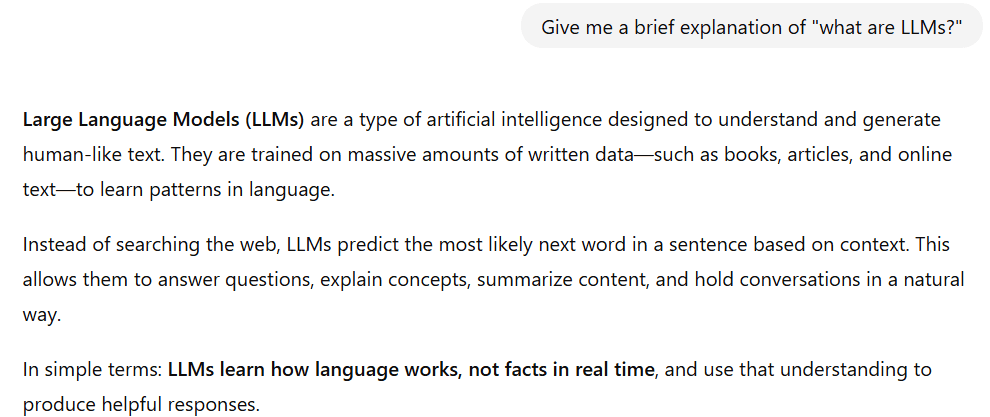
2. Ask for Structure or Examples
If clarity matters, ask for key points, a step-by-step breakdown, or a short example. You can also request snippets of code when working with technical topics.
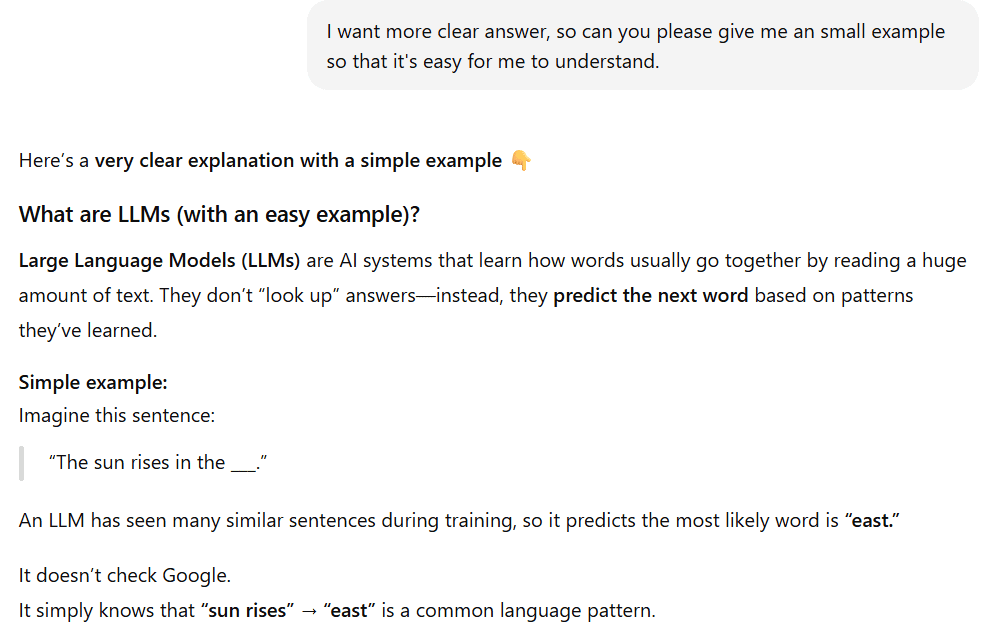
3. Use Follow-Ups Strategically
Follow-up questions refine results. This method encourages the model to adjust direction without starting over.
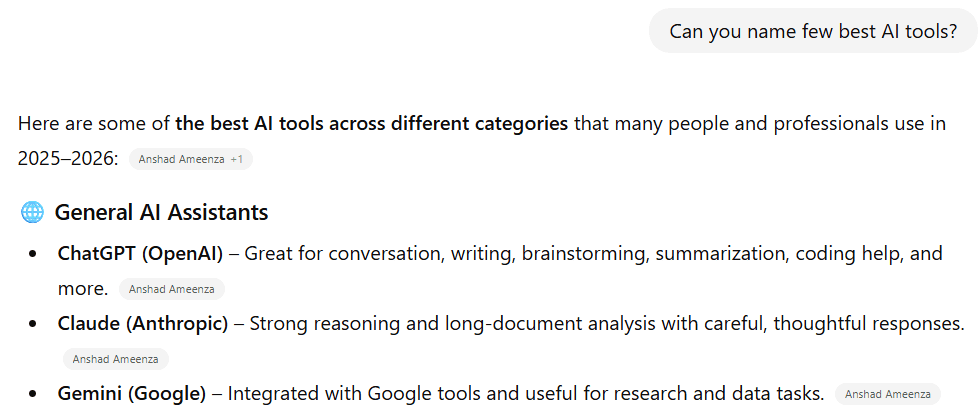
4. Review Before Using
Always review AI responses before publishing. Treat them as a first draft, not a final answer. This habit improves accuracy and tone in formal writing.
Why Brand Visibility Matters in ChatGPT Answers
As AI becomes part of how people explore information, visibility inside AI-generated responses matters more than ever.
When users rely on ChatGPT Answers, those responses shape perception. If a brand, idea, or product isn’t mentioned or is described incorrectly, it may never enter the conversation. This is where platforms like Track My Visibility come in. They help brands understand how they appear within AI-driven environments, offering insight into mentions, gaps, and consistency.
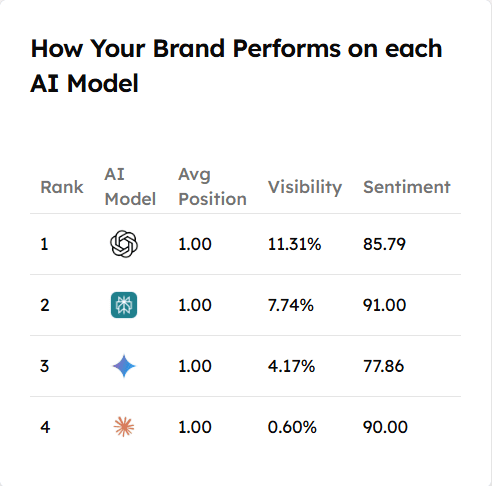
For teams using custom GPTs, this visibility becomes even more important. Knowing how the model presents your content supports better messaging strategies and alignment.
Tracking AI visibility isn’t about control; it’s about clarity. When creators understand how AI represents them, they can adjust content, test methods, and refine features with confidence.
Final Thoughts
Understanding how ChatGPT Answers are created gives users an edge. From training data to word prediction, the process explains both strengths and limitations.
Transparency in AI matters. When users know how answers are formed, they can use them responsibly.
To take this even further and ensure your brand is correctly represented in AI-driven environments, explore how Track My Visibility helps you monitor, measure, and improve your AI presence across platforms by giving you clarity, control, and a competitive advantage today.

Used wisely, ChatGPT remains a powerful assistant, not a replacement for human judgment.
Frequently Asked Questions
How does ChatGPT get its answers?
ChatGPT gets its answers by analyzing the user’s input and predicting what words are most likely to come next based on patterns learned during training. It does not retrieve stored facts or search external sources.
Instead, it builds a response one word at a time using context and probability. The model has seen countless examples of similar questions during training, so it recognizes patterns in how those questions are typically answered. When users ask the same prompt multiple times, small wording changes can lead to different results.
How does ChatGPT generate responses in conversations?
During a chat, ChatGPT keeps track of recent context to stay relevant and consistent. Each response is shaped by what the user said earlier, allowing the conversation to flow naturally. The system does not create a long-term plan, but it reacts moment by moment to maintain coherence.
It treats the entire conversation history as input for each new response, which is why it can reference things mentioned earlier. This is why follow-up questions often feel connected.
How does ChatGPT answer so quickly?
ChatGPT responds quickly because it does not pause to verify or search for information. The system generates text instantly by predicting likely word sequences, which keeps answers concise and readable. Since everything happens within the model itself, there is no delay caused by accessing outside resources. Speed is built into how the response is produced.
How does ChatGPT always know what to say?
ChatGPT doesn’t actually “know” what to say; it recognizes familiar language patterns and selects responses that usually fit similar situations. Its training allows it to produce comprehensive explanations that feel confident, even when gaps exist. That’s why users should focus on reviewing answers before using them.
To conclude, AI responses are helpful guides, not a final authority, so treat them as a starting point, not a comment set in stone.