


How to Improve Your Al Visibility: A 90-Day Playbook
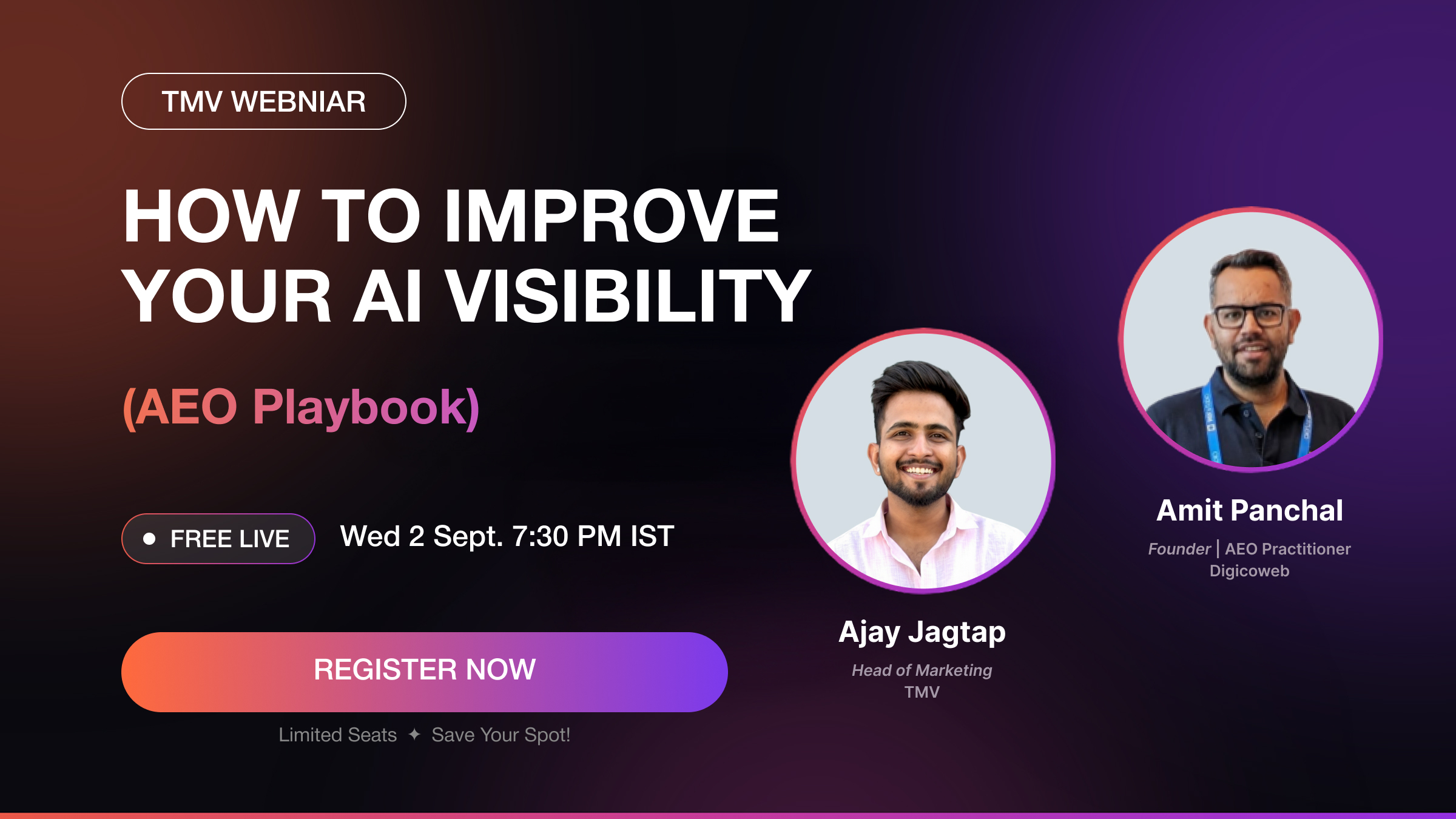
Wed 2 Sept, 7:30 PM IST :
D
H
M

Wed 2 Sept. 7:30 PM IST

How to Improve AI Visibility

See what AI says about your brand. Get your free

Perplexity Visibility Tracker

Perplexity lists its sources on every answer. See whether yours is one of them.

By submitting, you acknowledge that Track My Visibility will process your personal data in accordance with our Privacy Policy.
Powered By:

What's Inside Your Report

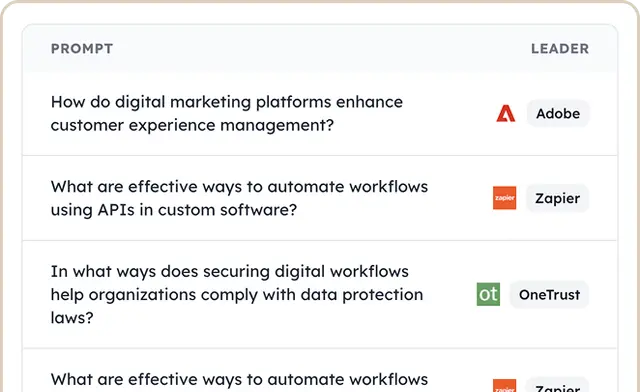
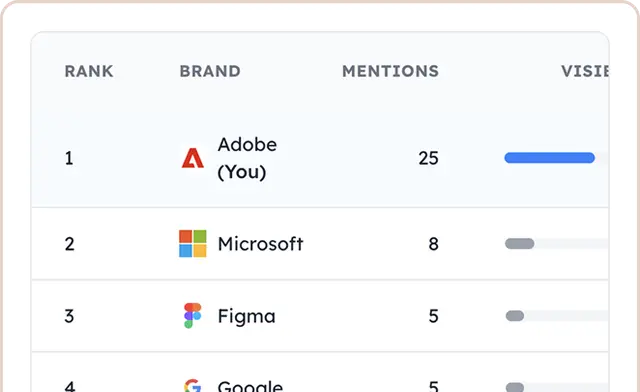
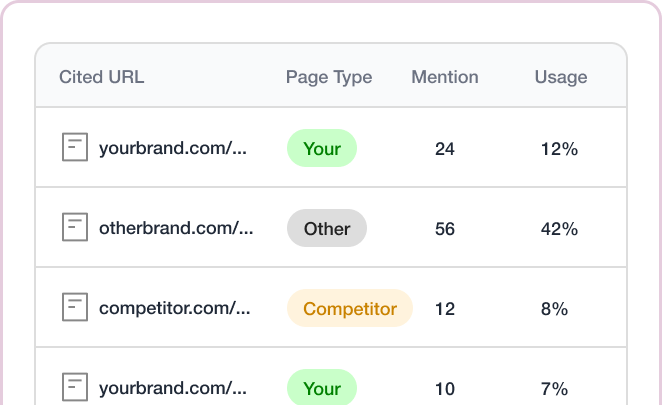
Your free Perplexity Visibility Tracker report shows how your brand appears across important Perplexity queries. See where your brand ranks, which prompts drive visibility, where competitors are ahead, and which pages are earning citations.
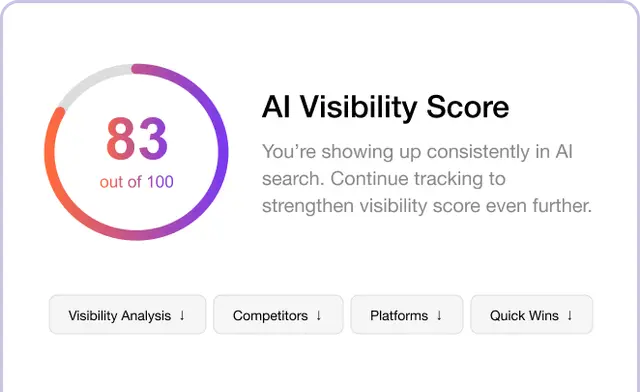
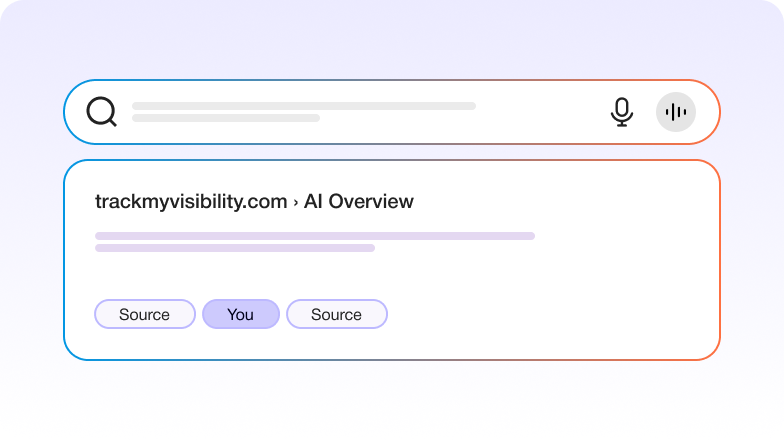
How often your site appears in Perplexity's source list, scored so you can watch it move.
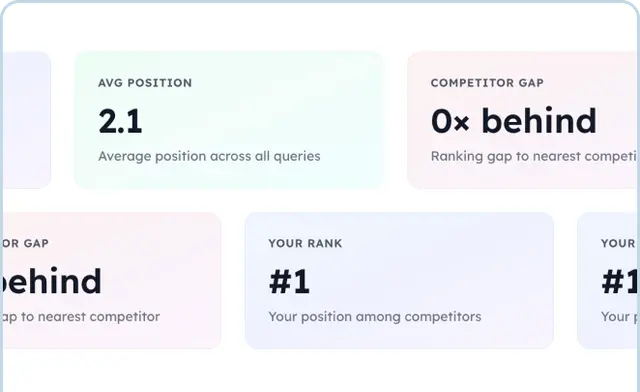
Perplexity numbers its citations. This shows whether you're near the top of that list or buried at the bottom.
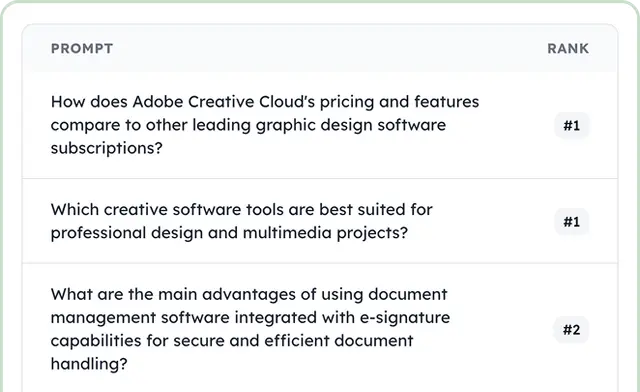
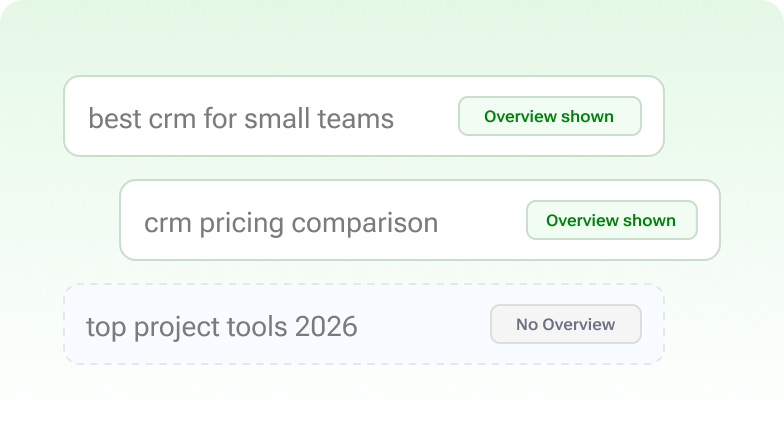
The searches where Perplexity is already sending people to your pages.
Questions where Perplexity cites four or five sources and none of them are you.
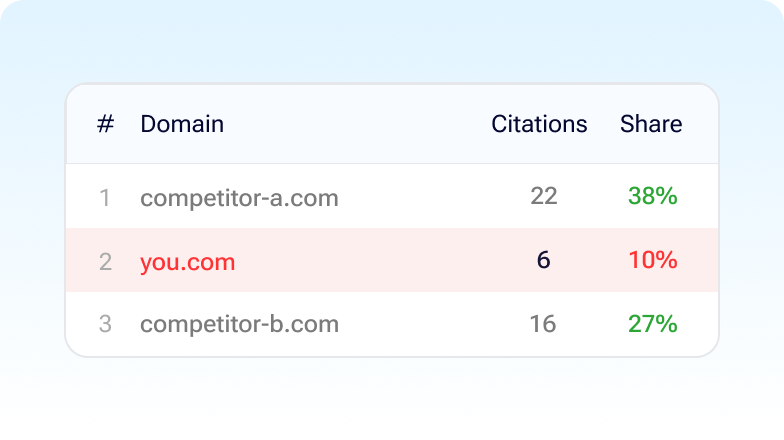
Which domains keep turning up in your category, and how often.
How your citation count holds up on ChatGPT, Gemini and Claude, which cite far less generously.

What Is Perplexity Visibility Tracking?

Perplexity works differently from most AI assistants. It runs a live web search for every question it gets, then writes an answer built from what it found and lists the sources underneath with numbers next to them. Nothing is answered purely from memory. If your page isn’t found in that search, you’re not in the answer.

It also cites a lot. Where a Google AI Overview might pull from three or four pages, a Perplexity answer routinely draws on twenty or more. That’s good news and bad news. There are more slots available than on almost any other platform, so getting in is realistic. But being cited once at position nineteen isn’t the same as being one of the two sources the answer actually leans on.

The other thing worth knowing is how much Perplexity favours recent material. Freshly published pages get picked up quickly, and content that hasn’t been touched in years tends to fall out of rotation even when it’s still accurate. A page that was cited last quarter can quietly stop being cited without anything visibly changing on your end.

Tracking it means watching both things at once. Are you in the source list, and are you staying there.

How to Track Your Perplexity Citations

Give us your domain

We check the whole site, not just your homepage, since Perplexity tends to cite specific pages rather than brands.

Pick the questions that matter

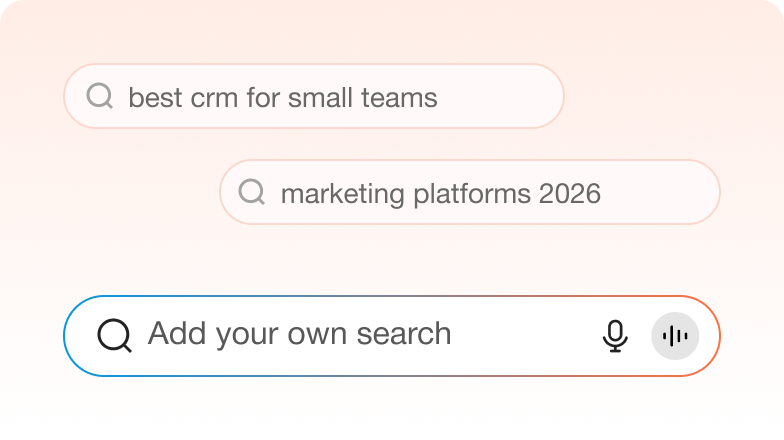
Use the ones we suggest for your category or write your own. Perplexity rewards specific, question-shaped queries, so these can be quite long.

We run them and read the source list

Every citation, in order, for every question.

You see where you stand

Which answers include you, where you sit in the list, and which domains keep outranking you for the same questions.

What Marketing Teams Ask Before They Start Tracking Perplexity

The questions people usually have before they try this out.

Am I in the source list, or nowhere near it?
The free report answers that first. Perplexity shows its citations openly, so unlike some platforms there’s no ambiguity about whether you made the cut.
Can I track competitor domains too?

Yes. Add them, and we’ll show how often each one turns up across your question set.

Does this have anything to do with our Google rankings?
Less than you’d expect. Perplexity runs its own retrieval, and plenty of pages get cited there while sitting well outside Google’s top ten.
Perplexity cites twenty sources. Does position in that list matter?
It does. Being one of the first sources means the answer is largely built on your page. Being twentieth means you were technically included. We track the position, not just the presence.
Perplexity cites twenty sources. Does position in that list matter?
It does. Being one of the first sources means the answer is largely built on your page. Being twentieth means you were technically included. We track the position, not just the presence.
How often does this need re-checking?
More often than most platforms, because the freshness bias means the source list genuinely churns. The free report is one snapshot. Paid tracking runs on a schedule.

Trusted by Growing Teams

Hear how early adopters of our LLM visibility tool use it for tracking AI citations, URL-wise reports, and improving AI visibility.

Got Doubts?

Quick answers to the most common questions about AI Search and Track My Visibility.

Is this actually free?

The first report is. No card, no trial countdown. Scheduled tracking sits inside the paid plans.
Yes. That’s the main thing separating it from ChatGPT, which sometimes answers without looking anything up. With Perplexity, if you weren’t found, you weren’t cited.
It’s built around showing its working. More citations means more chances to be included, but it also means a single citation carries less weight than it would in a four-source answer.
It tends to, more than on other platforms. Perplexity picks up recent pages quickly, which is why sites that publish regularly hold their citations better.
Yes. Citations point at specific URLs, so the report shows you exactly which pages are doing the work.
Just a work email so we can send the report over.
Look for questions where competitors are cited repeatedly and you’re absent entirely. Those are usually topics you haven’t covered directly enough to be retrievable.
We’ll test top niche queries and send you the report.

Run Your AI Visibility Check in 2 Minutes.