

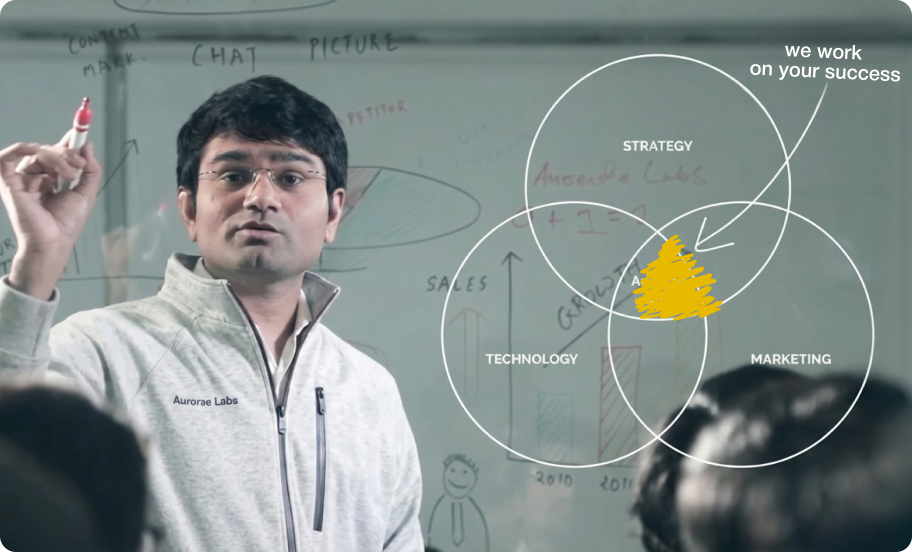
Before any of this, we were an eCommerce agency doing web development and digital marketing for online stores.
Shopify, Magento, SEO, email marketing, we handled the full stack for our clients and did it well. Google was the only visibility channel we ever really thought about, and honestly, we had no reason to think otherwise.
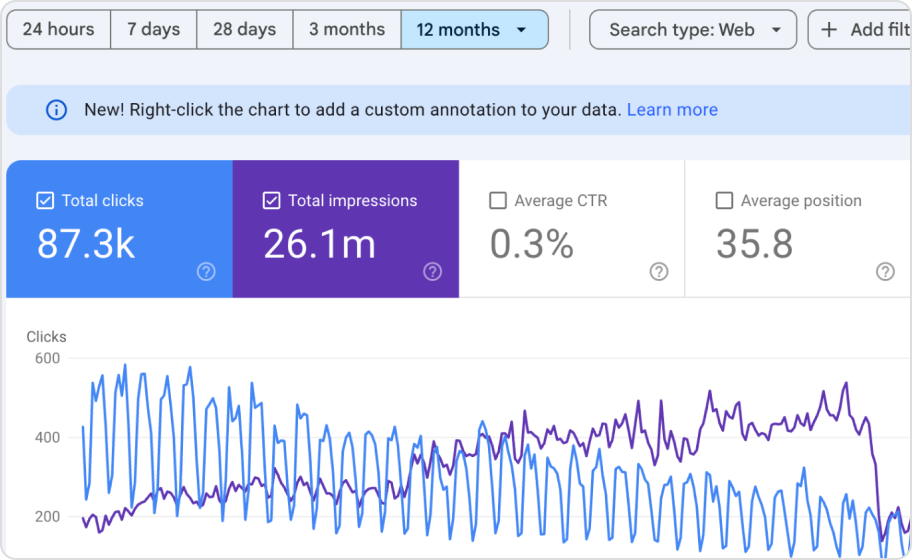
In early 2025, our organic traffic started declining, not dramatically, but enough to notice.
The confusing part was that nothing was actually wrong. Rankings were stable, content quality hadn't dropped, and there was no algorithm update to point at.
Every SEO instinct said to panic, but our leads kept flowing in like nothing had changed.
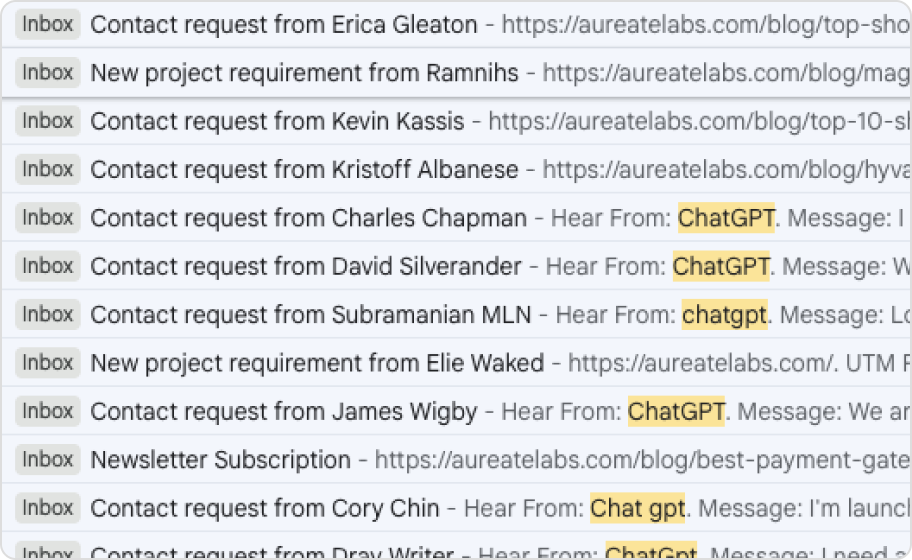
We had a simple "Where did you hear about us?" field on our contact form. It usually said Google, referral, or LinkedIn. But around January, we started seeing answers we hadn't seen before.
"ChatGPT", "Perplexity", "AI suggested your name"
At first it was one in ten leads. Then one in five. The traffic wasn't disappearing, it was just moving from Google to AI tools, and we were showing up there without even trying.
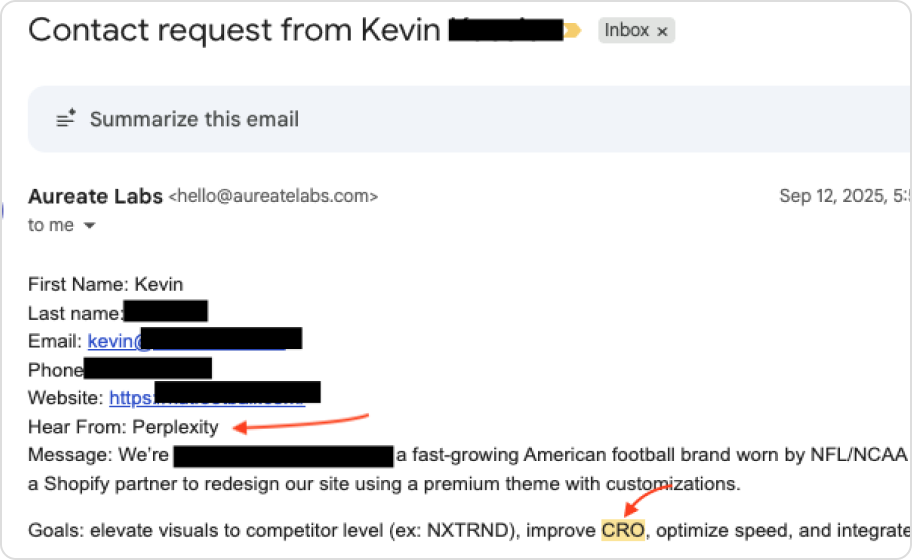
We do CRO work for clients but had never gotten around to building a proper service page for it.
Most agencies would rush to fix that. Rather than building a page, we just wrote honestly about the CRO work we were already doing, on our blog and on LinkedIn, and let that content do the talking.
Result: It got us cited in AI answers and started bringing in real CRO leads without a single dedicated landing page.
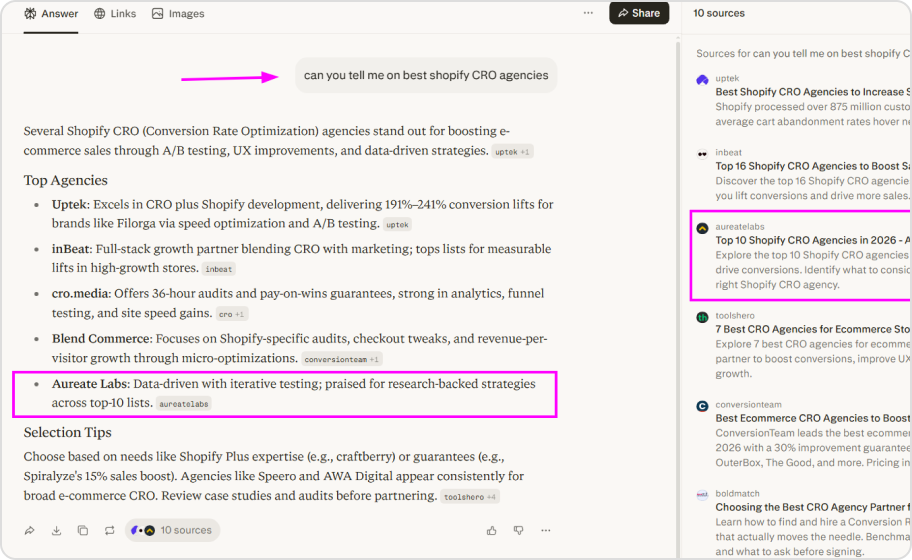
When we looked at how ChatGPT and Perplexity were forming recommendations, the contrast with Google was hard to miss.
LLMs respond with comparisons and recommendations, and what they look for are signals of credibility in context, comparison content, genuine opinions, human-written perspectives in places AI systems already trust.
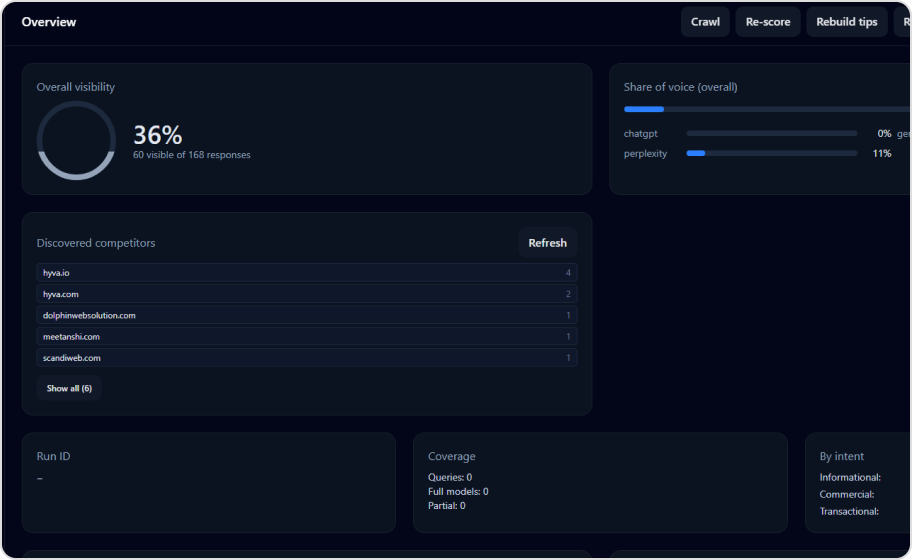
We started tracking brand mentions inside AI responses manually, then built a simple internal tool to do it properly at scale.
Nothing fancy, just a dashboard that could spot patterns across the AI platforms we cared about.
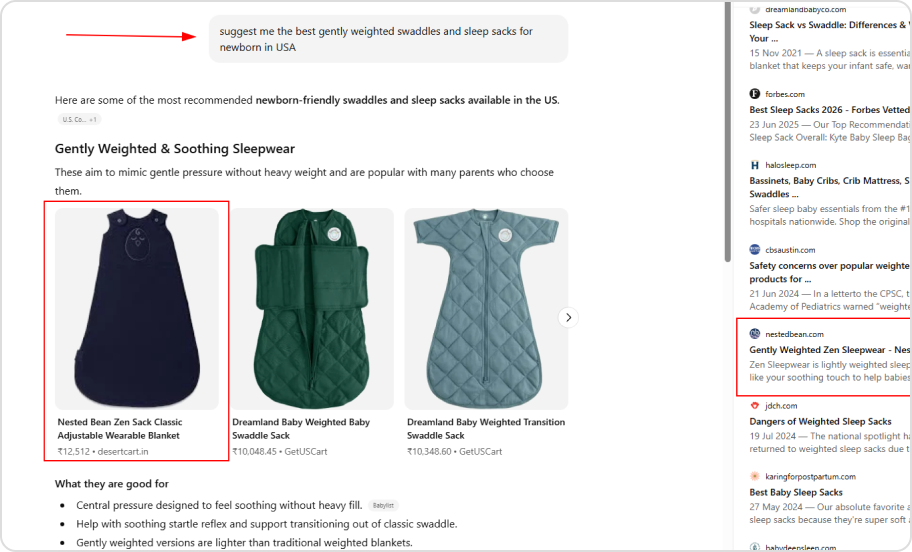
We applied the same thinking to clients across different industries and stages. The brands that showed up in AI answers weren't the biggest or the most aggressive in SEO.
They were simply the ones with clear signals of credibility in places AI systems already trusted, and that pattern held across every niche we tested.

We've seen brands getting cited and receiving leads for the keywords they weren’t ranking on Google for. And traffic data from Google Analytics or traditional tracking tools couldn't explain where leads were actually coming from.
Overall, we had no reliable way to measure visibility inside AI answers.

The internal tracker we built to make sense of all this eventually became Track My Visibility. We took what worked for us, refined it, and built it into a platform that any brand or agency could actually use.
It answers the questions we couldn't answer ourselves a year ago:
Those are the questions Track My Visibility is built to answer, and we think every brand should have access to them.

Marketing & Growth Expert

Founder, Head of Tech.

Marketing & Performance

October 2025

November 2025
December 2025
March 2026

April 2026

From Start to Present