



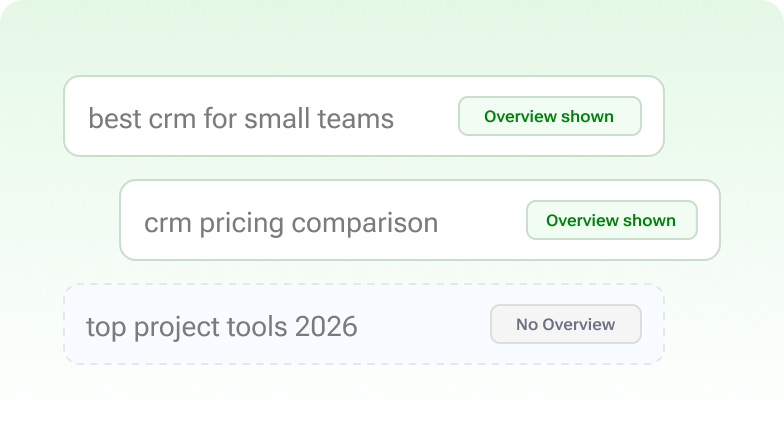
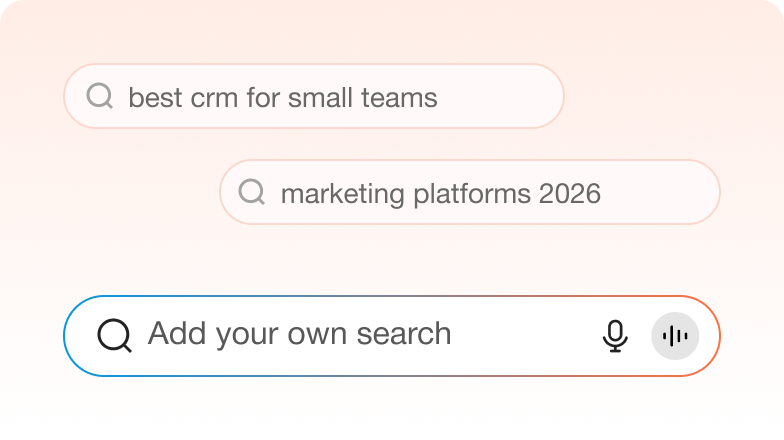
“Within two weeks we uncovered three high-intent queries where we weren’t cited. And as we fixed, it boosted our AI mentions by 27%.”

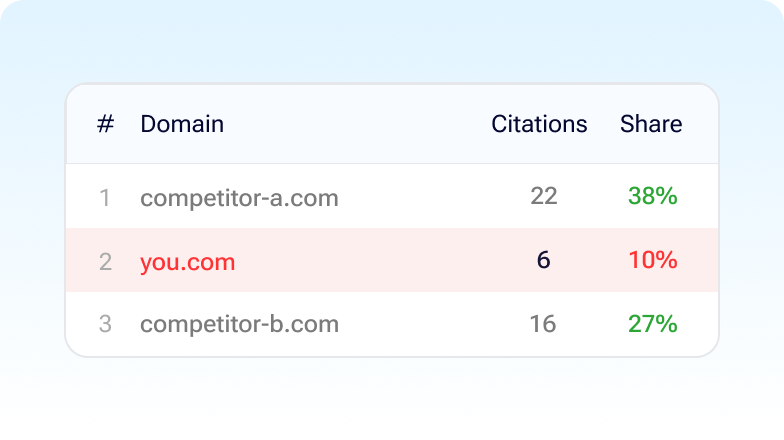
“This is truly our Ahrefs for AI. I generated queries in bulk, the tool helped alot for competitor gap analysis. And now I know what to write more content on, and grab that visibility on chatGPT.”
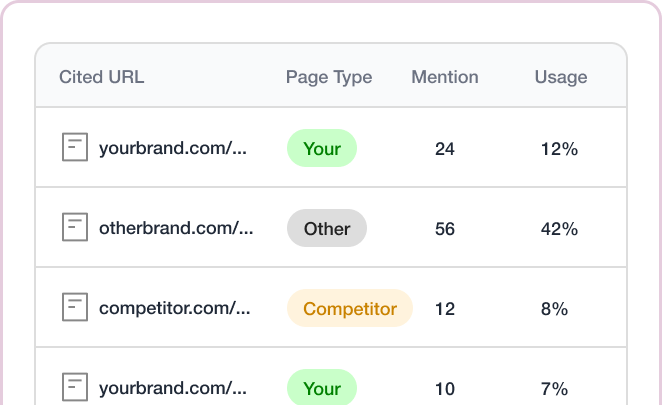
“Our clients love the URL-wise citation reports by Track My Visibility. It’s become a standard slide in our monthly performance meetings.”
"What I like most is how practical it is. It shows exactly how AI tools see your brand and highlights visibility gaps that traditional SEO tools often miss."
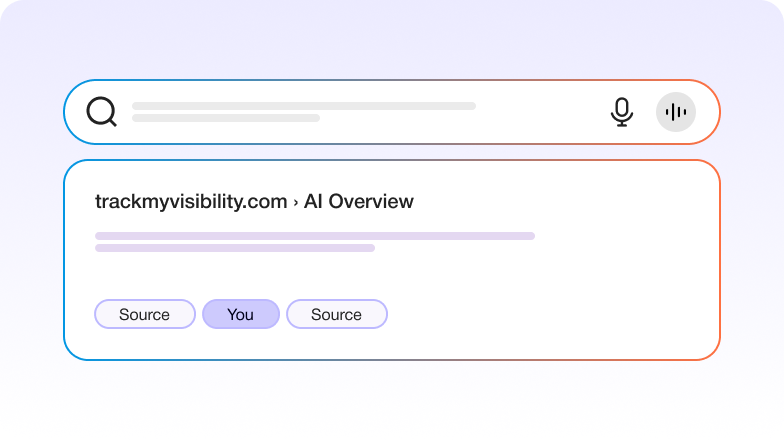
"Track My Visibility gave us a clearer view of how AI platforms understand our brand. The Sources tab made it easy to identify which content needed improvement."
"The content gap insights helped us focus on topics that improve AI visibility. It made content planning faster, more targeted, and easier to prioritize."
"AI visibility felt like a black box. Track My Visibility showed us where we appeared, where we didn’t, and what to improve. It saved us weeks of guesswork."
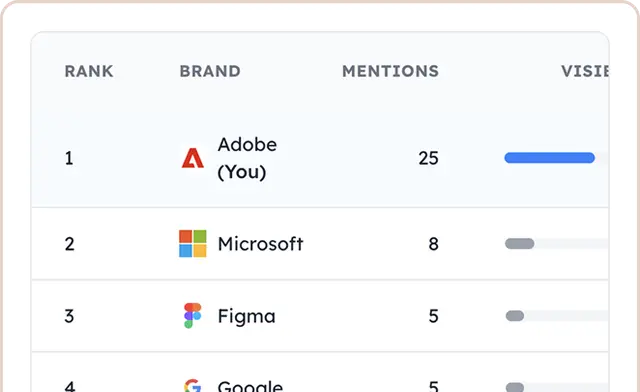
"Having AI mentions, citations, source data, and competitor insights in one place is incredibly useful. It’s now a key part of our monthly SEO reporting."
"Track My Visibility makes it easy to measure AI visibility, track competitors, and improve the content influencing AI results."
"Clear reports and actionable insights help us understand our AI visibility and prioritize content improvements."