Free Gemini Visibility Tracker
Gemini runs on Google's index and Knowledge Graph. See whether Google knows who you are well enough to recommend you.
We're Generating Your AI Visibility Report...
Enter the 6-digit code
Didn't get it? Check spam or wait 30 seconds.
- Takes about 2 minutes
- No signup needed




What's Inside Your Report
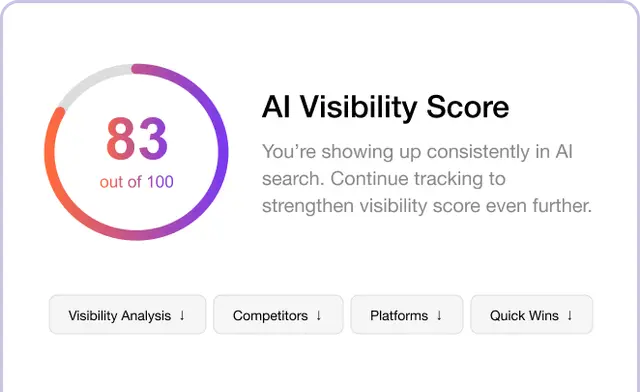
- AI Visibility Score
Where you stand in Gemini's answers, measured across the questions buyers ask it.
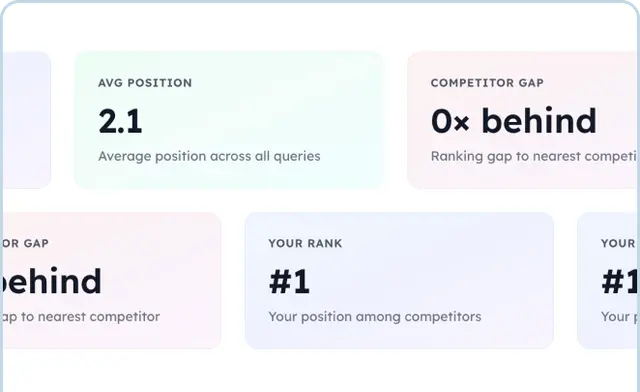
- Entity Recognition Check
Whether Google appears to understand what your brand is, which is the foundation everything else sits on.
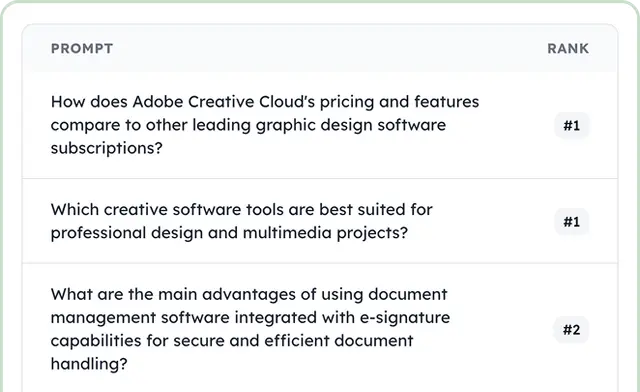
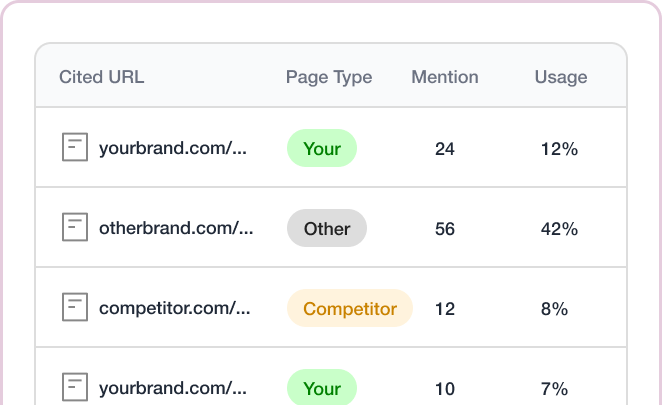
- Top Queries Where You Rank
The prompts where Gemini names you or links to your pages.
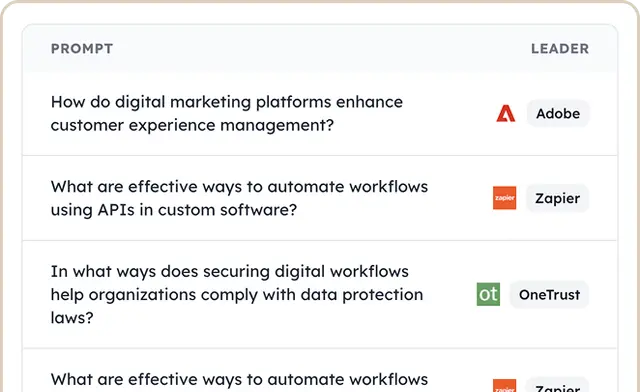
- Missed Opportunities
Questions answered without you.
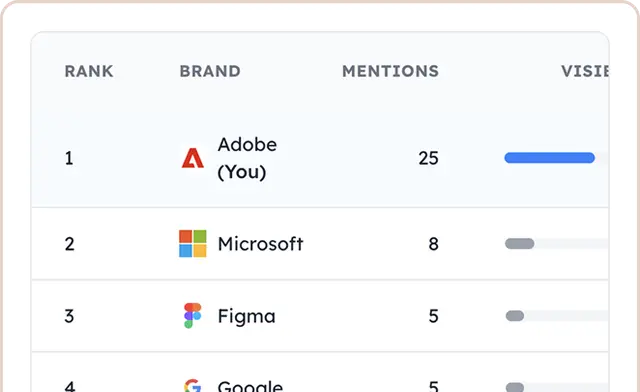
- Competitor Leaderboard
The brands and domains that consistently appear in your space.
- Rankings Across Platforms
The same questions on platforms that don't have the Knowledge Graph to lean on.
What Is Gemini Visibility Tracking?
Gemini sits on the same index that powers Google Search, plus the Knowledge Graph, which is Google’s structured record of real-world companies and products. When someone asks about a category, Gemini works out which entities the question involves and leans on the domains it already associates with them.
That makes entity clarity the thing worth measuring. If Google understands what your company is, what it sells and who it serves, you’re in the running. If your identity is muddled across the web, or Google still has you filed as something you stopped being two years ago, you’ll struggle to get recommended no matter how much you publish. This check looks at how clearly Google has you pinned down, not only where you rank.
How to Track Your Gemini Visibility
Add your brand and domain
We check how Google appears to understand your brand, not just whether your pages exist.
Set your category questions
The questions your buyers would ask an assistant when they're weighing options.
We run them through the Gemini app
Recording where you're named, where you're cited, and where neither happens.
You get visibility plus an entity read
So you can tell the difference between a content gap and Google not really knowing who you are.
What Marketing Teams Ask Before They Start Tracking Gemini
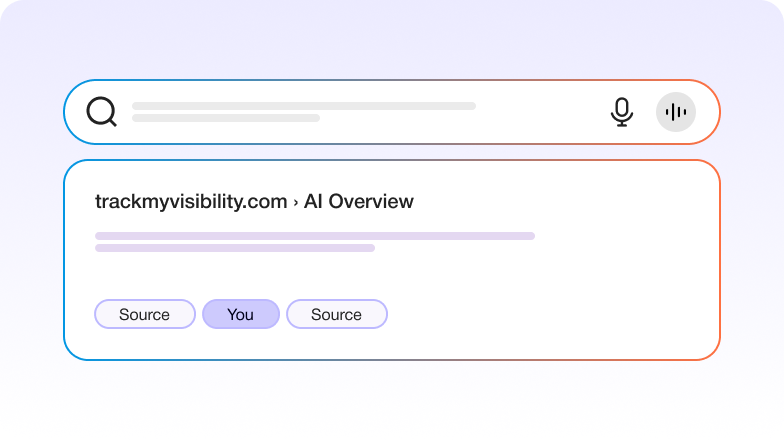
Is this the same as showing up in AI Overviews?
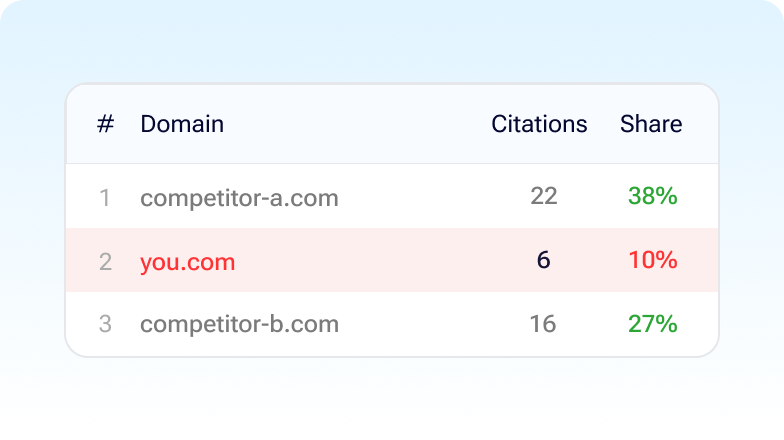
Who's being recommended instead of us?
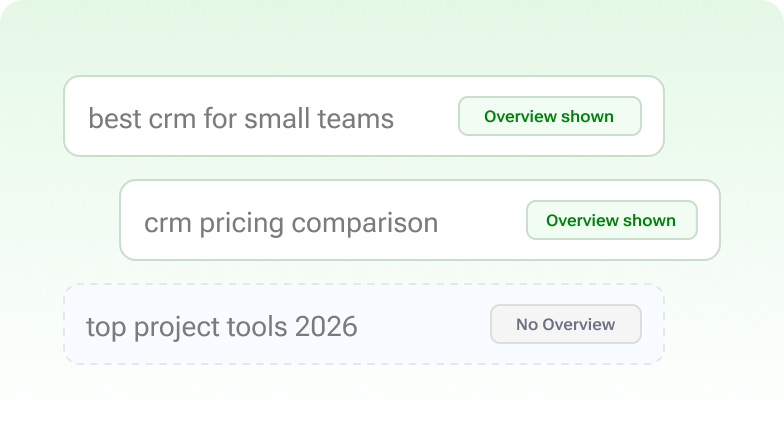
We rank well on Google. Isn't that enough?
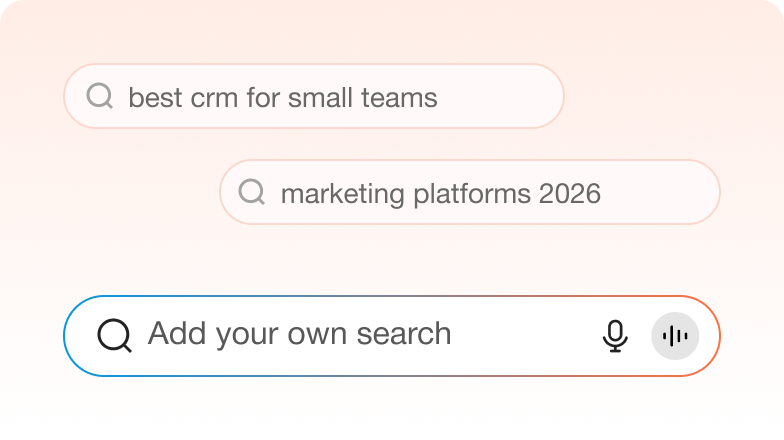
Does Google understand what our company actually does?
Does Google understand what our company actually does?
How quickly does this move?
Trusted by Growing Teams
Hear how early adopters of our LLM visibility tool use it for tracking AI citations, URL-wise reports, and improving AI visibility.
Got Doubts?
Quick answers to the most common questions about AI Search and Track My Visibility.
Is this actually free?
Yes for the first report, and we don’t ask for a card. Ongoing tracking is part of the paid plans.
What's the Knowledge Graph and why does it matter?
It’s Google’s structured record of real-world things and how they connect. Gemini uses it to work out what a question is about, so being clearly represented there affects whether you’re considered at all.
Is Gemini the same as AI Overviews or AI Mode?
All three are Google, all three are different surfaces. Gemini is the assistant app. AI Overviews is the summary on the results page. AI Mode is the conversational search tab. Each has its own tracker here.
Does structured data on our site help?
It does. Clear schema markup makes it easier for Google to work out what your pages describe, which feeds directly into entity understanding.
We changed what we sell. Will Gemini know?
Not immediately. Entity records update slowly, and stale categorisation is one of the more common problems we see on this platform.
Can I compare myself to competitors?
Yes, across the same set of questions.
What should I do once I get my report?
Make sure your description is consistent everywhere Google looks. Conflicting descriptions across your site, your profiles and third-party listings hold a lot of brands back here.