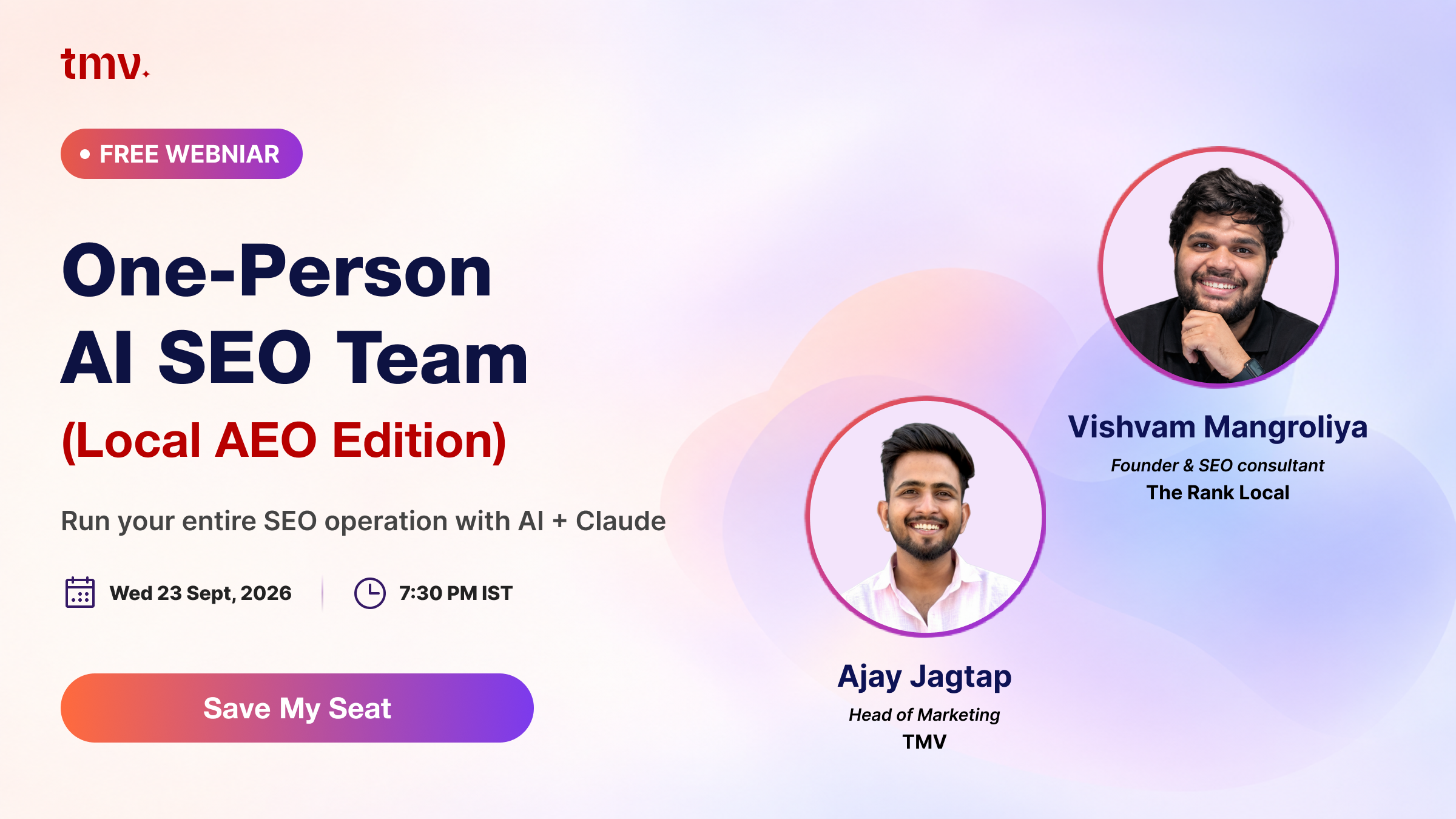
Build a One-Person AI SEO Team (Local AEO Edition)
Wed 23 Sept, 7:30 PM IST :
Wed 23 Sept. 7:30 PM IST
Build a One-Person AI SEO Team
See what AI says about your brand. Get your free
This chart shows the top sources cited by Claude during the selected data period. Use it to identify dominant domains, citation patterns, and opportunities to improve your AI visibility.
Responses that include citations
Average sources cited per response
Journalism citations from past 12 months
UGC + high-end publisher approach
Claude has a more selective sourcing style than ChatGPT or Gemini. It cites sources in only 55% of responses, but when it does, it averages 13 sources per response, the highest among major AI platforms.
Claude blends user-generated sources like Reddit and Capterra with trusted publishers like Forbes, TechCrunch, and NYT. This gives it a strong mix of real-world discussion and editorial authority.
Legacy Journalism Preference: Claude cites legacy publishers like The New York Times, The Atlantic, The New Yorker, and The Economist more heavily than fresh content. Only 36% of its journalism citations come from the past 12 months, showing a stronger preference for established sources.
Long-Form Content Wins: Claude favors detailed, authoritative content over quick summaries. Research papers, Medium deep-dives, Wikipedia pages, and comprehensive guides tend to perform better than short listicles.
B2B SaaS Preferences: In B2B SaaS, Claude cites Capterra, G2, Reddit, Forbes, and TechCrunch more often. It seems built for professional research that needs both peer reviews and editorial validation.
| 1. Reddit | Community discussion |
| 2. Wikipedia | Encyclopedic reference |
| 3. Medium | Long-form articles |
| 4. Forbes | Business authority |
| 5. TechCrunch | Tech journalism |
| 6. The New York Times | Legacy journalism |
| 7. The Atlantic | Long-form essays |
| 8. Capterra | SaaS reviews |
| 9. The Economist | Premium journalism |
| 10. The New Yorker | Literary journalism |
At Track My Visibility, we collect citation data by monitoring AI-generated answers across platforms like ChatGPT, Perplexity, Google AI Overviews, and other AI search tools. We analyze which domains are cited, how often they appear, and where your brand stands against competing sources.
We monitor the actual user interfaces of ChatGPT, Gemini, Perplexity, Claude, and 15+ other AI platforms. We capture real citation data, ranking positions, and competitive visibility metrics.
We analyze citation data across AI-generated answers to understand which sources are trusted, how visibility changes, and what signals influence AI citation patterns.
See where your competitors are being cited, what content earns citations, and how your AI visibility stacks up. Daily updates keep you ahead of citation trends.