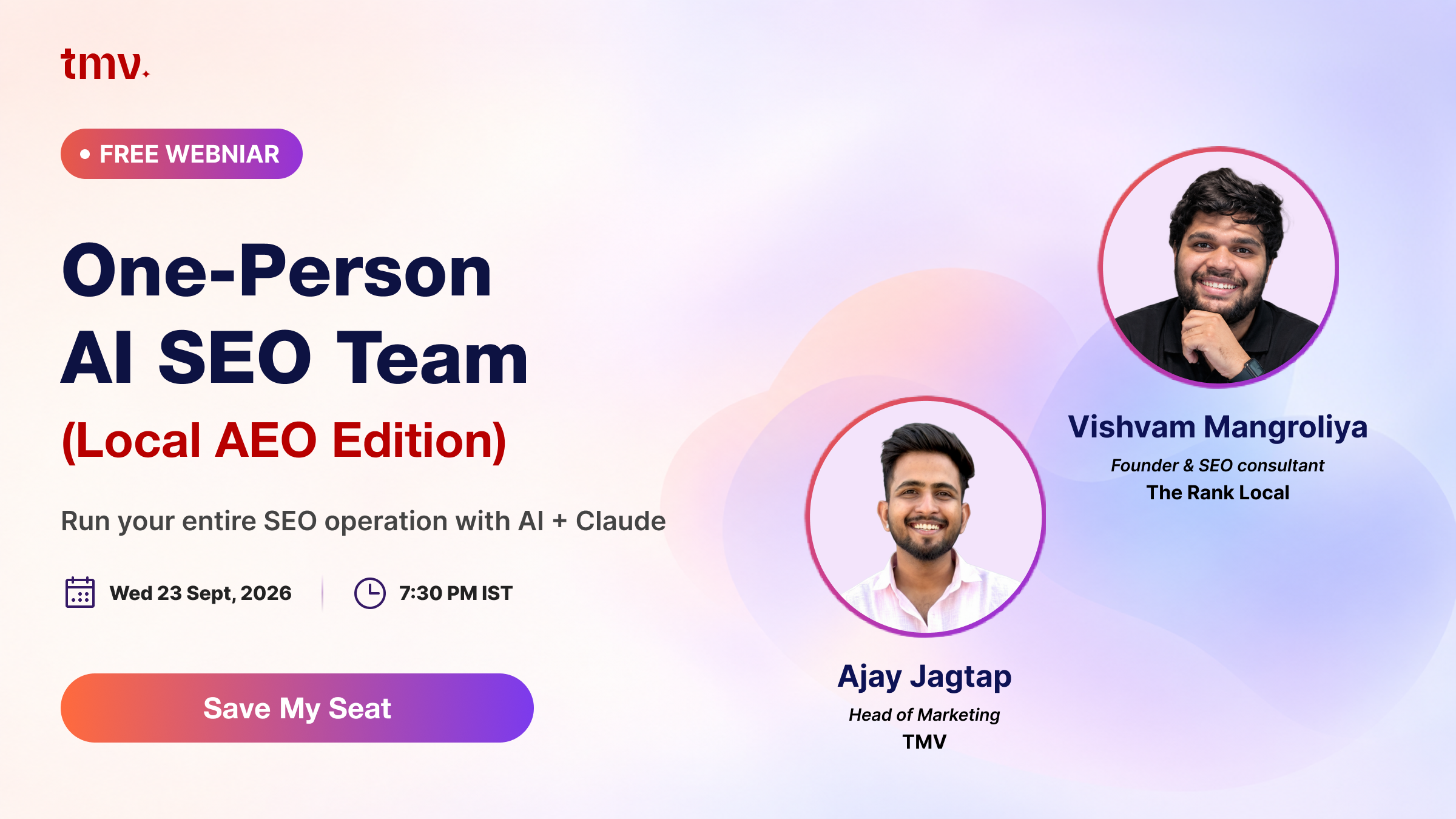
Build a One-Person AI SEO Team (Local AEO Edition)
Wed 23 Sept, 7:30 PM IST :
Wed 23 Sept. 7:30 PM IST
Build a One-Person AI SEO Team
See what AI says about your brand. Get your free
This chart shows the top sources cited by Perplexity during the selected data period. Use it to identify dominant domains, citation patterns, and opportunities to improve your AI visibility.
Average citations per response
Overlap with Google top 10 organic
Schema-enabled citation rate advantage
Top sources updated in last 12-18 months
Based on comprehensive analysis tracked by Track My Visibility, Perplexity’s source citation patterns reveal significant insights into how the platform prioritizes information. Unlike traditional search engines, Perplexity operates as an “answer engine”, carefully curating sources based on authority, relevance, and content quality.
YouTube leads with 16.1% of citations, followed by Wikipedia at 12.5%, positioning video and encyclopedic content as dominant formats in Perplexity's information hierarchy.
Content Freshness Matters: 70% of Perplexity’s top-cited sources had publication or update dates within the last 12–18 months. Content decay begins just 2–3 days after publication for time-sensitive queries.
Structured Data Advantage: Pages using schema markup achieve 47% top-3 citation rates vs 28% without, a 19-percentage-point advantage. JSON-LD with author credentials achieve 2.3x higher citation rates.
| 1. YouTube | 16.1% |
| 2. Wikipedia | 12.5% |
| 3. News & Journalism | 17.5% |
| 4. Non-profit (.org) | 11.29% |
| 5. Government/Edu (.edu) | 9% |
| 6. Healthcare Sites | 8.5% |
| 7. Reddit | 6.6% |
| 8. Amazon/Commerce | 6% |
| 9. GitHub | 4% |
| 10. LinkedIn | 3% |
At Track My Visibility, we collect citation data by monitoring AI-generated answers across platforms like ChatGPT, Perplexity, Google AI Overviews, and other AI search tools. We analyze which domains are cited, how often they appear, and where your brand stands against competing sources.
We monitor the actual user interfaces of ChatGPT, Gemini, Perplexity, Claude, and 15+ other AI platforms. We capture real citation data, ranking positions, and competitive visibility metrics.
We analyze citation data across AI-generated answers to understand which sources are trusted, how visibility changes, and what signals influence AI citation patterns.
See where your competitors are being cited, what content earns citations, and how your AI visibility stacks up. Daily updates keep you ahead of citation trends.