


Two capable AI assistants. Very different strengths. The one you choose will shape how your team thinks, creates, and competes.
Claude excels at nuanced, long-form content that sounds remarkably human. Gemini leverages Google’s ecosystem to deliver real-time insights and deep integration across tools your team may already use. On paper, both are impressive. In practice, the difference becomes clear fast.
When potential customers ask Claude or Gemini about solutions in your space, what do they say about your brand? How these tools work and how they perceive your business directly impacts your visibility in AI search. This guide breaks both down so you can choose the right one for how you actually work.
Key takeaways
- Quick overview of Claude and Gemini with key technical differences
- Real-world applications with practically tested prompts
- Comparative analysis with features, pricing, and capabilities
- How to use Claude and Gemini efficiently, with their strengths and weaknesses
Let’s dive in.
Quick Overview: Claude AI and Gemini
Before diving into which tool fits your business needs, let’s clarify what we’re comparing in this Claude vs Gemini analysis. Both AI models, Claude and Gemini, serve fundamentally different purposes in your workflow.
What is Claude?
Claude is Anthropic’s conversational AI assistant designed for deep, nuanced work. It excels at long-form writing that doesn’t sound robotic, handles intricate reasoning without losing a plot, and maintains context even in long conversations.
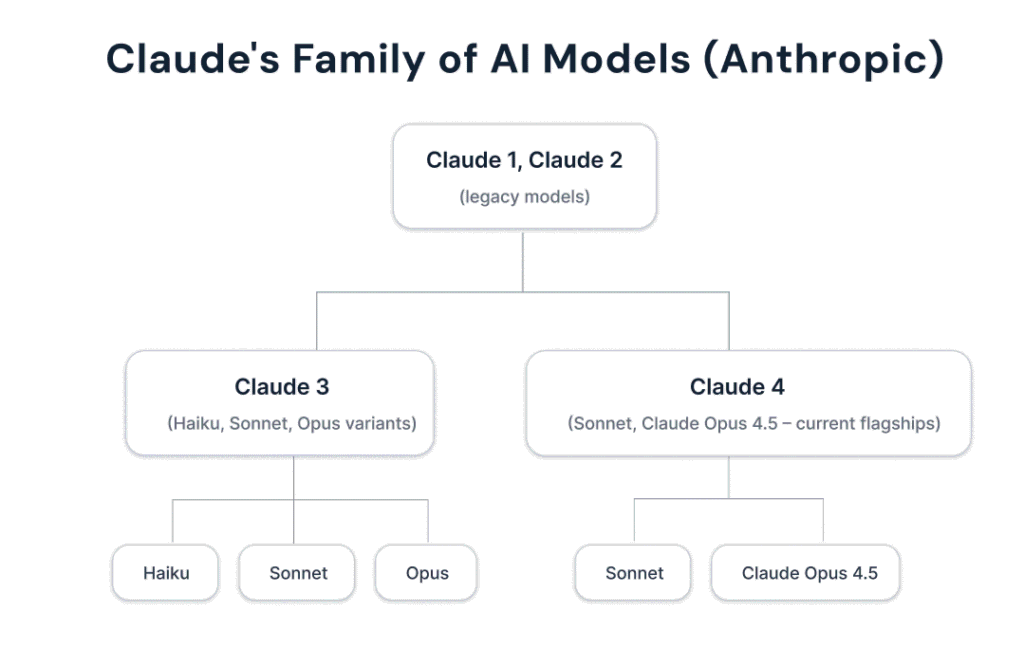
Claude’s family of models (Anthropic):
- Claude 1, Claude 2 (legacy models)
- Claude 3: Haiku, Sonnet, Opus (variants)
- Claude 4: Claude Sonnet, Claude Opus 4.5 (current flagships)
What is Gemini?
Gemini, on the other hand, is Google’s AI powerhouse. Built into the Google ecosystem you probably already use daily, Gemini brings true multimodal capabilities to the table.
It processes images, generates visuals, understands code, and even analyzes and produces video content based on your plan. It’s connected to Google Search, meaning it can pull real-time information when you need current market data or trending topics.
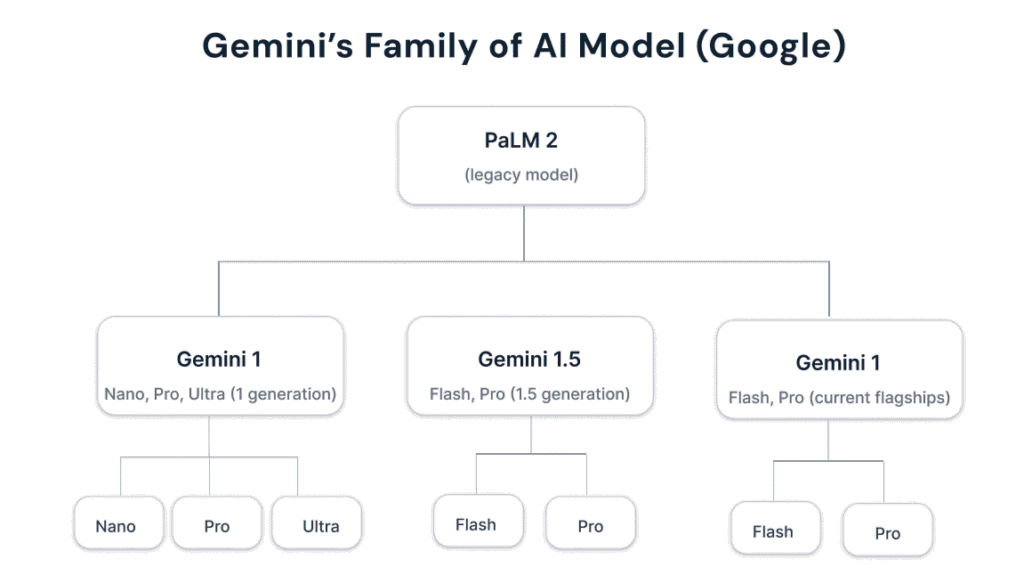
Gemini’s family of models (Google):
– PaLM 2 (legacy model)
- Gemini 1: Nano, Pro, Ultra (1 generation)
- Gemini 1.5: Flash, Pro (1.5 generation)
- Gemini 2.0: Flash, Pro (current flagships)
Key Technical Differences Between Claude AI and Gemini
Understanding how these AI models work behind the scenes helps you choose the right tool for your needs. While both are advanced language models, they take different approaches to reasoning, data processing, and ecosystem integration.
# Model Versions and Architecture
Both platforms offer tiered models designed for different priorities.
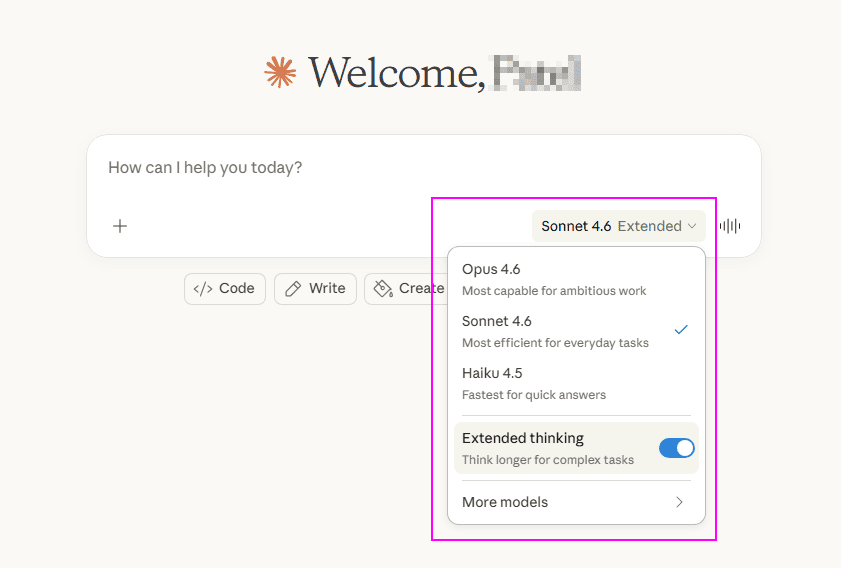
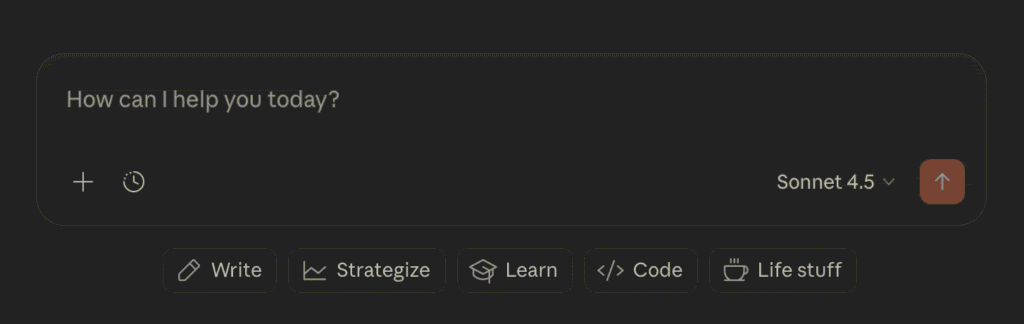
Claude’s three-tier structure has:
- Claude Opus 4.5, the most capable model for complex tasks
- Claude Sonnet 4.5, with balanced performance and speed
- Claude Haiku 4.5 is the fastest and most cost-effective for simple tasks
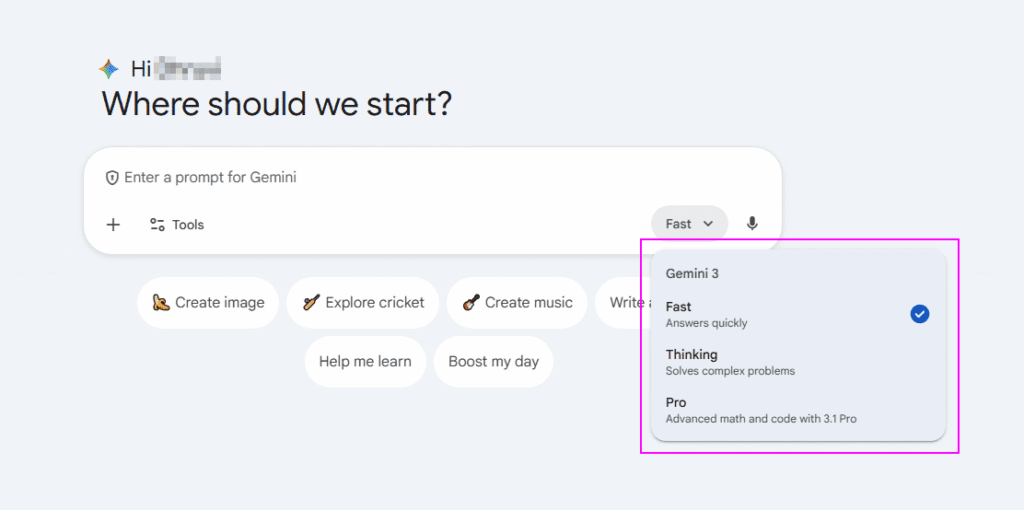
Gemini mirrors this with:
- Ultra for maximum capability
- Pro for balanced performance
- Nano optimized for on-device use
Its architecture is built around Google’s infrastructure, giving it a natural advantage for teams already operating within Google Workspace.
Architecturally, Claude feels like a thinking partner; Gemini feels like an AI layer embedded directly into existing tools.
# Technical Specifications
Claude supports around 200K token context windows, handling most long-form documents, reports, and extended conversations comfortably. Gemini’s extended context becomes particularly valuable when analyzing comprehensive datasets or multiple lengthy documents simultaneously.
On speed, Gemini responds faster for straightforward queries, especially when pulling real-time data via Google Search. Claude takes slightly longer but produces more refined, nuanced outputs for creative or strategic work, a worthwhile tradeoff depending on the task.
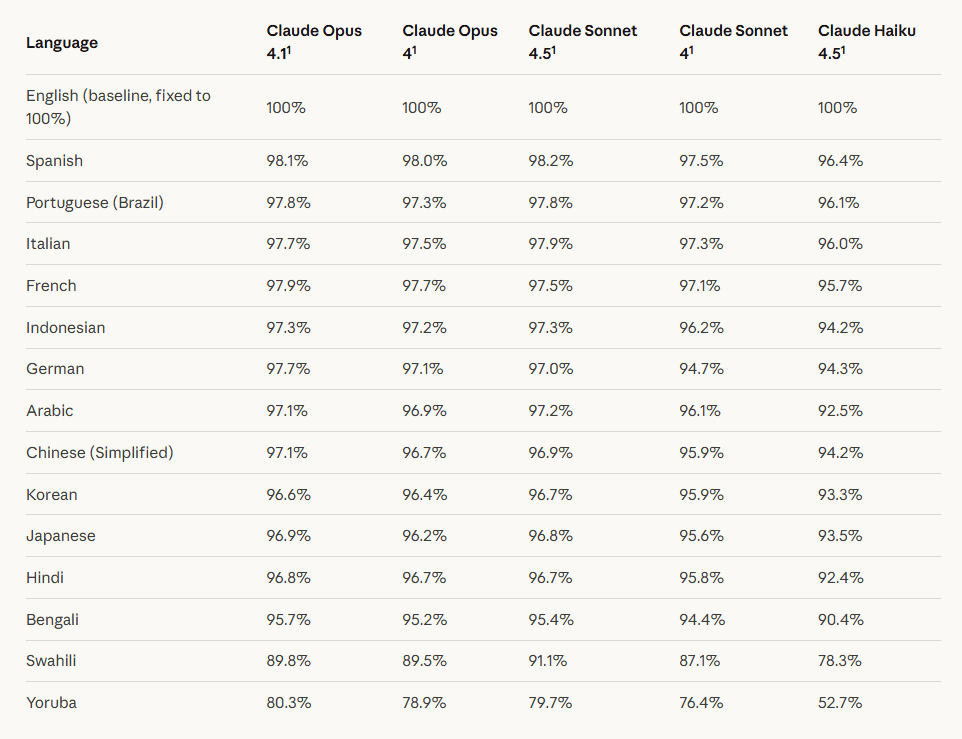
For language support, Gemini covers 70+ languages through Google’s translation infrastructure. Claude also performs exceptionally well in English and major European languages, with expanding multilingual capabilities.
Both offer robust APIs, though Claude is known for stable, predictable outputs while Gemini benefits from Google Cloud’s global infrastructure and reliability.
# Reasoning CapabilitiesClaude AI:
Claude shines in chain-of-thought reasoning, handling layered instructions, nuanced constraints, and abstract logic with strong consistency.
For multi-step problem-solving like mapping a customer journey, analyzing a marketing funnel, or diagnosing conversion drop-offs, Claude produces more cohesive, strategically grounded narratives.
Gemini excels at structured reasoning tied to data, formulas, and operational workflows. When the problem connects directly to metrics, dashboards, or spreadsheet logic, Gemini is the stronger choice.
# Data Processing
Claude processes information through its internal model knowledge and the context provided within a conversation. It has no real-time internet access by default, but can create, edit, and analyze documents, spreadsheets, and presentations, and execute code for calculations and data analysis in supported plans.
Gemini processes information through Google’s infrastructure, combining its trained model knowledge with real-time web access via Google Search. It integrates natively with Google Sheets, Docs, and Drive, making it particularly effective for spreadsheet analysis, data visualization, and collaborative workflows. It also handles multimodal inputs text, images, audio, and video within a single system.
Both platforms handle structured data spreadsheets, databases, and reports, but approach them differently. Claude interprets data contextually, understanding not just the numbers but what they mean for business strategy. Gemini excels at raw data manipulation, suggesting formulas, pivot tables, and visualization approaches, particularly within Google Sheets, where it operates natively.
# Integrations and Ecosystem
On integrations, Claude focuses on flexibility connecting with Slack, Notion, Zapier, and custom workflows through well-documented APIs. Gemini’s advantage is its depth within Google’s ecosystem: Docs, Sheets, Gmail, Google Cloud, Search, and YouTube all integrate directly, making it a natural fit for enterprise teams already using Google infrastructure.
# User Experience
Claude offers a clean, distraction-free interface focused on conversation quality. Non-technical teams typically find it more intuitive since it responds naturally without requiring specific prompt structures.
Gemini’s interface within Google products feels immediately familiar to existing users, though the standalone version can feel busier given its multimodal features. It does require more precision in prompting, particularly for advanced capabilities like image generation or real-time search.
# Pricing and Access
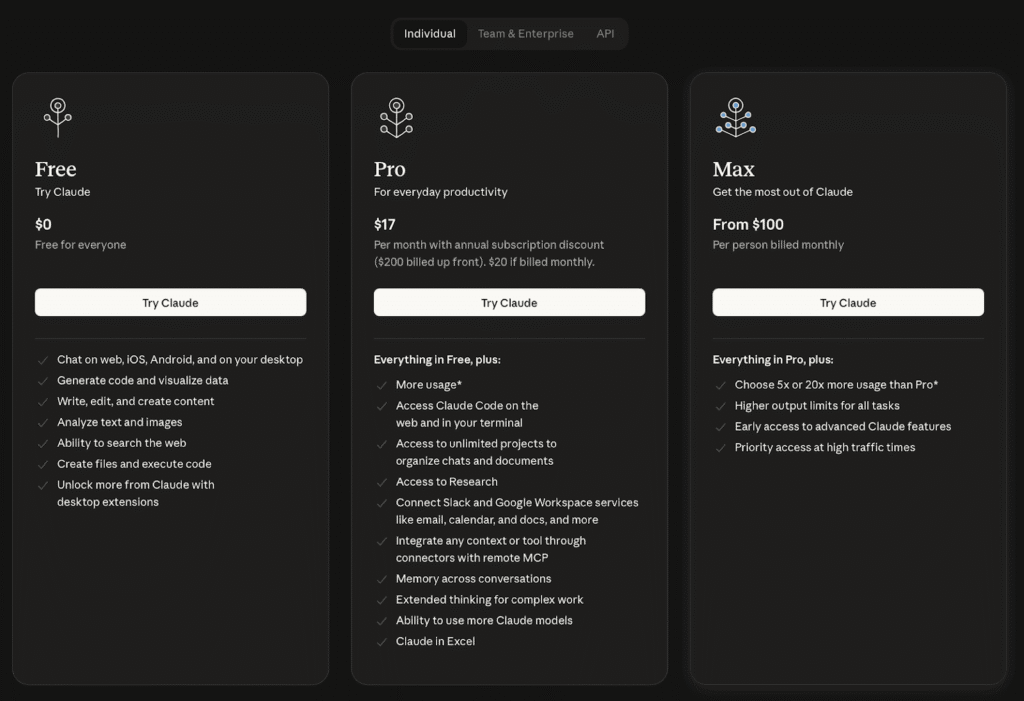
Claude’s free tier covers basic chat, content creation, and text and image analysis with limited usage.
The paid plans start at around $17–$20 per month for extended thinking and higher usage, scaling up to $100–$200 per month for maximum throughput and priority access.
Team and enterprise plans run $25–$150 per user per month, while API access is pay-as-you-go.
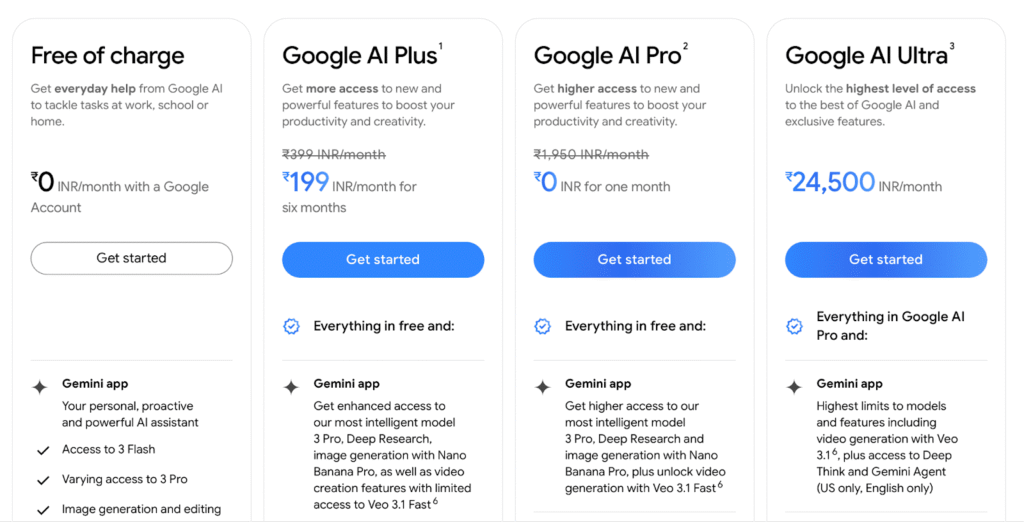
Gemini’s free tier is accessible with any Google Account, covering basic AI assistance across the Gemini app and Google Workspace tools.
Paid plans start at $7.99 per month, stepping up to $19.99 per month for higher usage limits and 2 TB storage. The premium enterprise tier reaches $249.99 per month, while API pricing follows a variable token-based structure with production volume.
 Pro Tip: The way Claude and Gemini reason through a query reflects broader patterns in how large language models evaluate, prioritize, and filter information. Learn how LLMs choose content to form an answer to understand what really drives their responses.
Claude AI vs Gemini: Technical Comparison Table
| Aspect | Claude AI | Gemini AI |
| Model | Haiku (fast tasks), Sonnet (balanced work), Opus (deep reasoning & long documents) | Nano (on-device), Pro (general business use), Ultra / Pro flagship (advanced reasoning) |
| Architecture | Single-ecosystem models optimized for reasoning and safety | Multimodal, cloud-native models deeply integrated with Google services |
| Speed | Slower than Gemini for short queries, stronger for depth | Faster responses, especially for structured or multimodal inputs |
| Language | Strong multilingual support | Broad global language coverage via Google’s localization |
| API | Stable, predictable outputs for business logic | Backed by Google Cloud’s global infrastructure |
| Data Privacy & Security | Safety-first design, enterprise-ready controls | Enterprise compliance through Google Cloud |
| Integrations | Slack, Notion, custom internal tools | Docs, Sheets, Gmail, Drive, Search, YouTube |
Claude vs Gemini: Real-World Applications
The differences aren’t just technical. Claude approaches problems like a thoughtful strategist who wants to understand the full picture before acting.
Gemini works like an efficient executor who gets things done quickly and moves on.
Neither approach is inherently better. What matters is matching the tool to your specific workflow, team preferences, and desired output quality. For that, let’s explore real-world use cases.
# Claude vs Gemini: Writing Blog Posts and Marketing Content
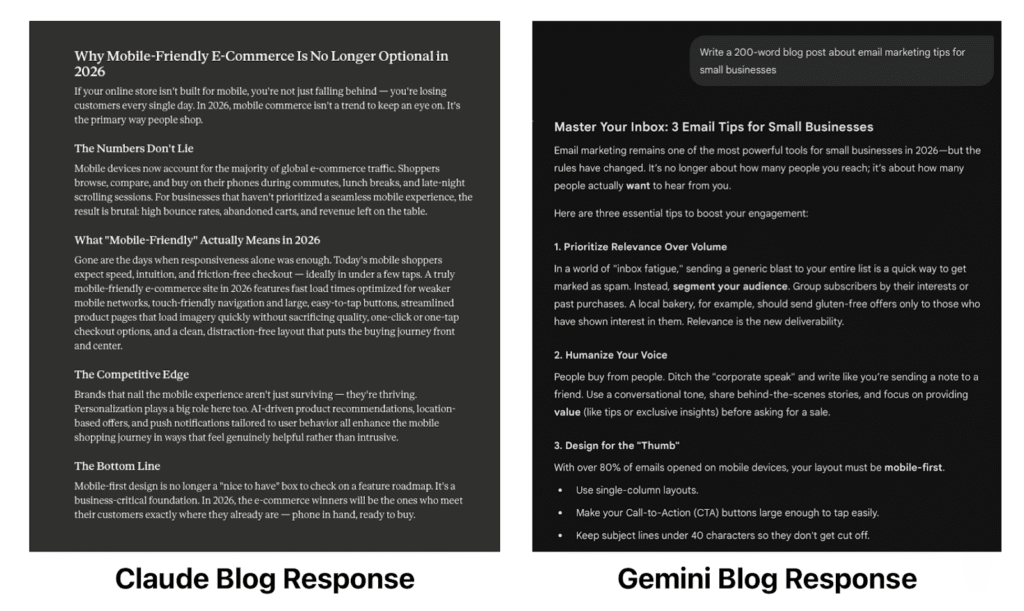
Claude takes a thoughtful, analytical route unpacking the topic, considering audience pain points, and structuring content with strategic intent. It naturally incorporates examples and explains why each practice matters, producing content that feels authoritative and engaging with minimal editing required.
Gemini approaches the same brief more systematically. It structures content in a clear, point-by-point manner, moving through key practices efficiently.
The output is well-organized and factual, leaning informative rather than conversational. Its search integration means it can pull current statistics, recent industry changes, or trending topics directly into the response.
Let’s see the response for blog post generation with Claude and Gemini.
PROMPT: Write a 200-word blog post about email marketing tips for small businesses
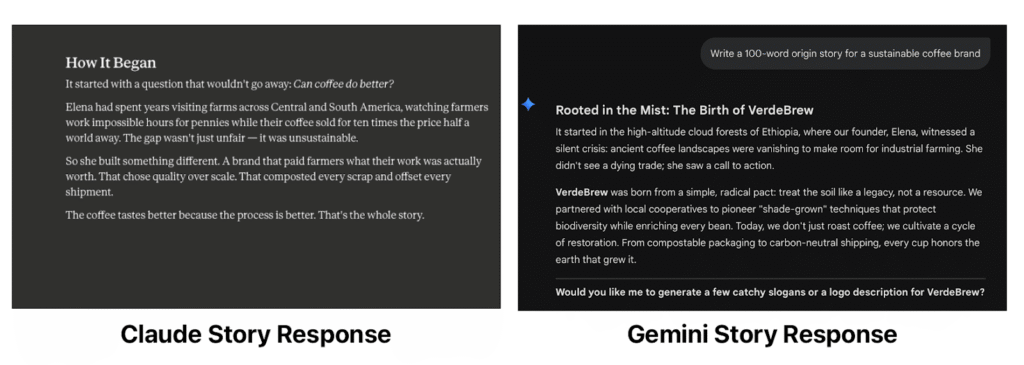
# Claude vs Gemini – Crafting Stories and Creative Content
Claude excels at original creative work, understanding nuance, emotion, and narrative structure in ways most AI models don’t.
Given a prompt like “tell our story: we started in a cafe in 2019, struggled to find a place, nearly went bankrupt, then landed our first major retail partnership,” Claude weaves those elements into a cohesive narrative with pacing, sensory detail, and emotional weight without needing those storytelling devices spelled out in the prompt.
Gemini presents the same facts clearly and accurately, but tends to miss the narrative depth that makes brand stories memorable.
For storytelling, let’s see how Claude and Gemini write a story with this prompt.
PROMPT: Write a 100-word origin story for a sustainable coffee brand
# Claude vs Gemini – Analyzing Data and Creating Reports
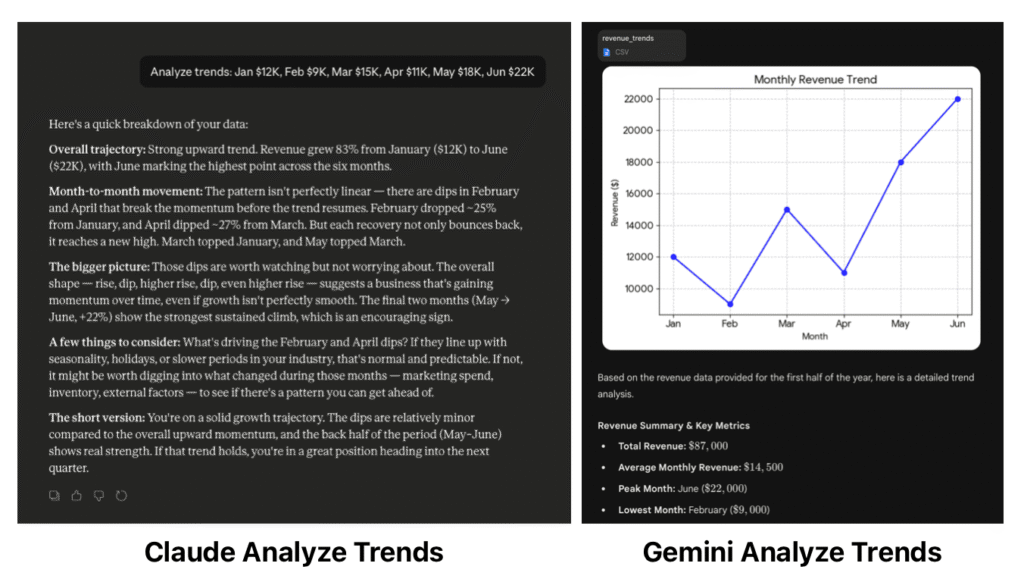
Upload a spreadsheet with six months of sales data, and the difference becomes immediately apparent. Claude interprets data contextually, exploring potential causes, considering seasonal patterns, identifying which product categories drove movement, and connecting findings to broader business implications.
Gemini processes the same data efficiently, particularly within Google Sheets, where it operates natively. It excels at suggesting formulas, creating pivot tables, and identifying patterns and anomalies across large datasets. Where it falls short is in moving from observation to strategic interpretation; the analysis tends to describe what happened rather than what it means.
To test, let’s analyze the trends with Claude and Gemini.
PROMPT: Analyze trends: Jan $12K, Feb $9K, Mar $15K, Apr $11K, May $18K, Jun $22K
# Claude vs Gemini – Writing and Debugging Code
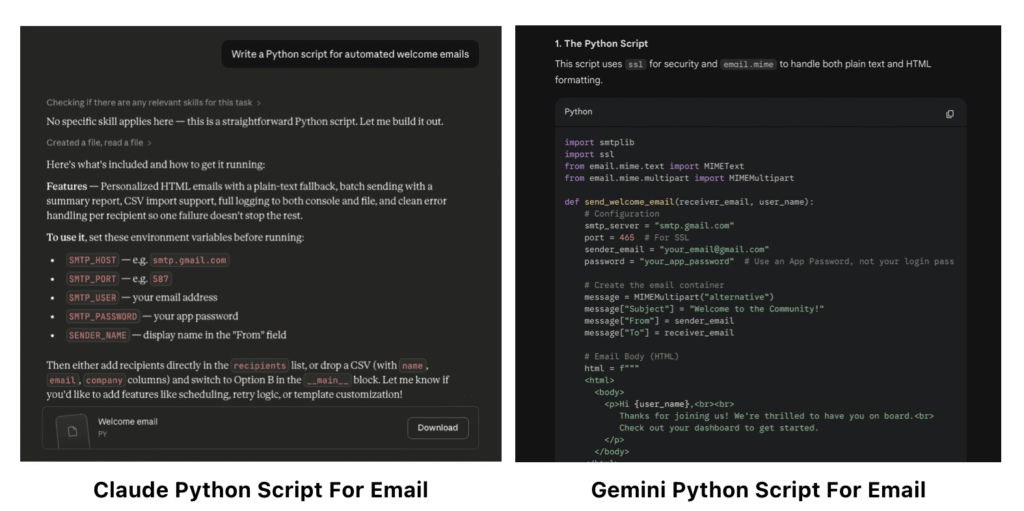
Claude writes clean, well-commented code that developers can follow and maintain. Ask it to build a Shopify product recommendation script, and the output includes working code alongside clear explanations of what each section does and why useful for teams where not everyone is deeply technical.
On the other hand, Gemini generates functional code quickly and is particularly strong with Google-specific implementations: Apps Script for Sheets automation, Firebase integration, and Google Ads API workflows. For teams building on Google’s infrastructure, Gemini’s efficiency with those APIs is a genuine advantage.
So let’s write a script for email automation in Python with Claude and Gemini.
PROMPT: Write a Python script for automated welcome emails
# Claude vs Gemini – Understanding User Sentiments
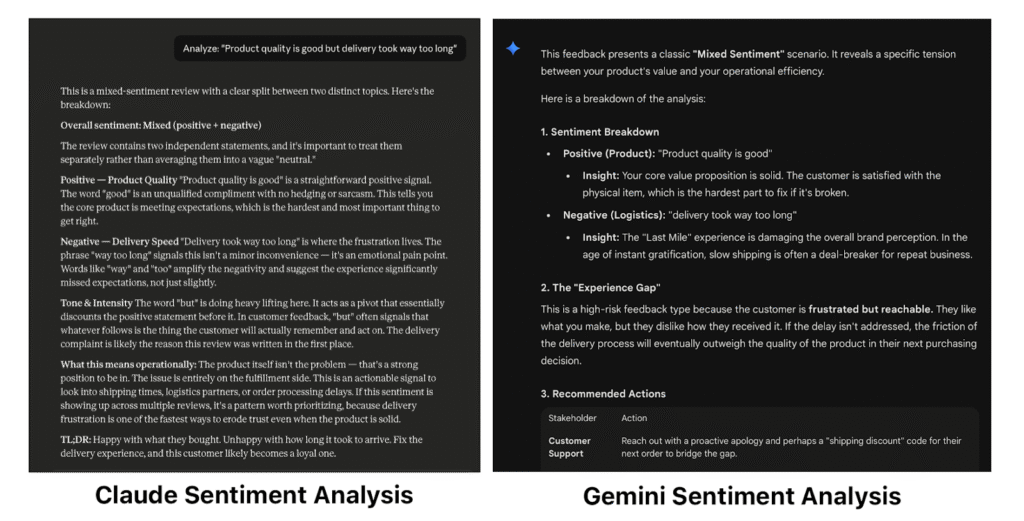
Claude handles nuanced sentiment analysis with depth. Upload customer support transcripts and ask it to analyze sentiment, identify pain points, and categorize by urgency. It returns a structured breakdown with actionable recommendations, not just classifications.
Gemini performs sentiment analysis accurately, efficiently classifying reviews and identifying frequently mentioned themes like shipping, product quality, pricing, and customer service. It handles volume well, making it a strong option when speed and scale matter more than interpretive depth.
Let’s see how Claude and Gemini can analyze the sentiments from the product review.
PROMPT: Analyze: “Product quality is good, but delivery took way too long.”
# Claude vs Gemini – Researching Markets and Competitors
Claude’s strength in competitive research lies in synthesis. Upload competitor websites, marketing materials, or product descriptions, and it surfaces strategic insights, positioning differences, messaging strategies, target audience variations, and competitive gaps worth exploiting.
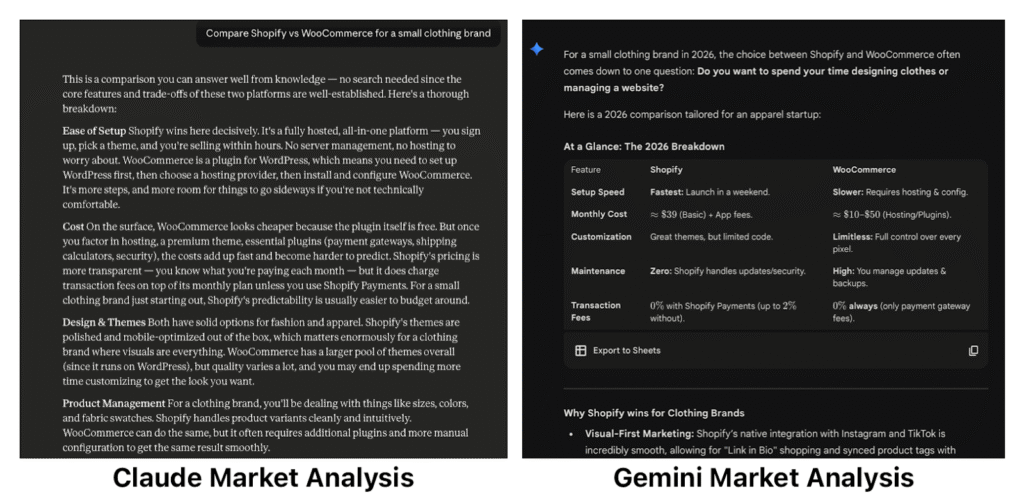
Gemini approaches competitive research through real-time search. Ask what competitors are doing in email marketing, and it researches live by identifying players that might not have been on the radar, analyzing visible strategies, spotting recent campaigns or positioning shifts, and synthesizing the current landscape as it actually stands.
Let’s compare two brands with Claude and Gemini.
PROMPT: Compare Shopify vs WooCommerce for a small clothing brand
# Claude vs Gemini – Creating Images and Visual Content
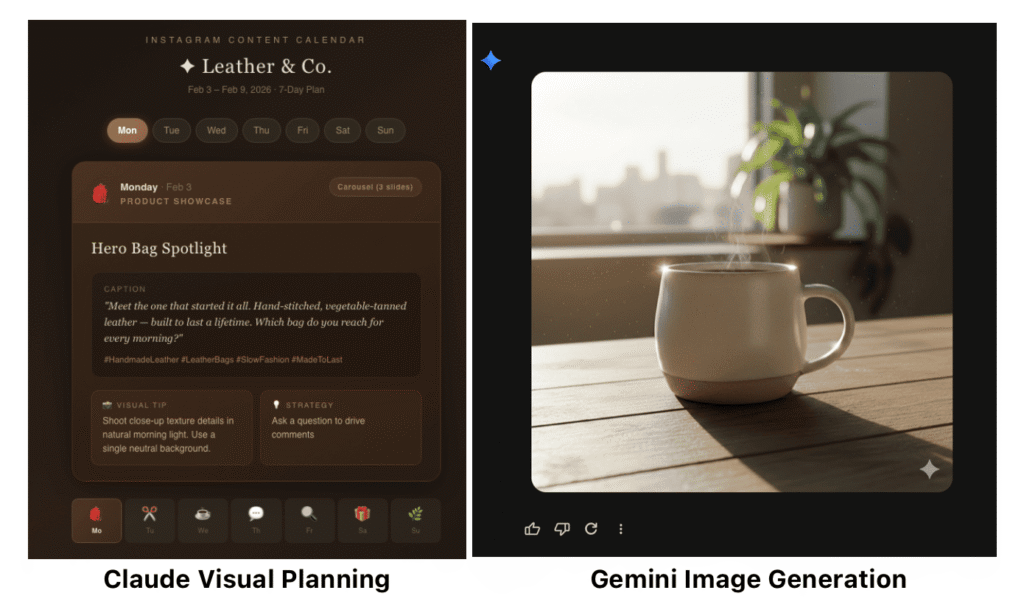
Claude does not generate images. It can analyze images uploaded to it, describe them in detail, suggest modifications, and produce detailed creative briefs for designers or image generation tools, making it a useful step in a visual workflow even without native generation.
Gemini includes Imagen and Google’s text-to-image model, enabling direct visual creation from text prompts. It also analyzes images efficiently and can suggest edits, compositions, or identify visual styles across the web for reference and inspiration.
Let’s create an image with Gemini and a visualization with Claude.
PROMPT (Claude): Create a 1-week visual content calendar for an Instagram page selling handmade leather bags
PROMPT (Gemini): Generate a minimalist ceramic coffee mug with morning sunlight
Claude or Gemini: When to Use Each
| When to Use Claude | When to Use Gemini | ||
| Use Case | Why | Use Case | Why |
| Writing content | Creates original, branded content tailored to your voice | SEO content | Leverages real-time search integration for up-to-date optimization |
| Creative storytelling | Develops original narratives with strong structure and depth | Data visualization & automation | Works directly within the Google Workspace ecosystem |
| Data analysis | Processes and analyzes your actual files and datasets | Pricing research | Provides real-time competitive pricing data |
| Coding | Supports full development workflows and implementation | Image generation | Offers native image generation capabilities |
Pro Tip: Choosing the right AI tool is one thing, but how well is the content those tools help create actually performing in AI-generated responses? This AEO and GEO audit checklist breaks down the specific signals AI platforms look for when deciding what content to surface and cite.Strengths & Weaknesses of Claude AI and Gemini
Both Claude and Gemini have unique strengths, and both have areas where they fall short. Understanding where each platform truly excels and where it falls short helps you make smarter decisions about which to use when.
Where Claude AI Has the Edge
- Exceptional creative and analytical abilities. Claude produces original, high-quality content from compelling brand stories to detailed strategic analyses. It understands nuance, tone, and context better than most AI models.
- Strong context retention for complex tasks. With up to 200,000 tokens of context, Claude can process entire product catalogs, lengthy reports, or multi-turn conversations without losing track.
- Claude has the lowest hallucination rates. Claude is trained with a focus on accuracy and helpfulness. It’s more likely to say “I don’t know” than fabricate information, making it more reliable for business decisions.
- Ethical AI alignment and safety. Built on Constitutional AI principles, Claude rejects harmful requests and maintains robust ethical guardrails critical to brand safety and responsible AI use.
- Less transparent sourcing. When Claude uses its training knowledge, it doesn’t provide citations. You can’t easily verify where information comes from unless web search is enabled.
- Slower for simple factual queries. Claude’s strength is complex reasoning, not quick facts. For simple questions like “What’s the current price of gold?” It takes time.
- Requires guidance for best results. Claude performs best with clear instructions, context, and examples. Vague prompts may yield generic responses.
Where Gemini Has the Edge
- Deep integration with the Google ecosystem. Built by Google, Gemini connects seamlessly with Google Workspace (Docs, Sheets, Gmail, Slides), making it highly convenient for users already operating inside Google’s productivity environment.
- Strong real-time web integration. Gemini leverages Google Search infrastructure to access current information, making it reliable for up-to-date queries, trends, and news.
- Native multimodal intelligence. Gemini was designed as a multimodal model from the ground up, enabling it to process text, images, audio, and video inputs more fluidly within a single system.
- Large context window for long documents. Capable of handling extended documents and long conversations, making it suitable for research-heavy workflows and large datasets.
- Android and mobile ecosystem advantage. Deep integration across Android devices and Google services provides natural accessibility for mobile-first users.
- Less refined creative output compared to leading models. While strong analytically, Gemini can sometimes produce flatter or less nuanced creative writing compared to top-tier creative-focused models.
- Inconsistent depth in complex reasoning tasks. For highly layered strategic or analytical work, outputs may require additional prompting or clarification.
- Heavy reliance on Google environment for maximum value. Its biggest advantages are tied to Google Workspace and ecosystem integration. Outside that ecosystem, differentiation decreases.
- Source transparency varies by response type. Although connected to search, citation consistency may differ depending on how the response is generated.
Claude AI Vs Gemini – How These AI Tools Talk About Your Brand
There’s a quiet shift happening in how AI chatbots are now answering product questions, making recommendations, and forming opinions about brands, and most businesses have no idea what’s being said about them.
1. Your Customers Are Already Asking AI for Product Advice
Think about the last time someone recommended a product. Maybe a colleague mentioned an email tool they’d just started using, or a friend raved about a piece of software that changed how they worked. Now imagine millions of those conversations happening every day, except they’re not with friends. They’re with AI.
When someone asks Gemini: “What’s the best CRM for a small marketing agency?”, they get an instant answer with 3-5 specific brands. And when asked, Claude: “I need project management software that integrates with Slack and costs under $50 a month”, they get a named shortlist with reasons for each recommendation.
AI models have become a discovery channel. Whether a brand gets mentioned in AI content, recommended, or completely ignored depends on how these models understand and represent that business.
2. How AI Tools Discover And Mention Your Brand
AI models pull from multiple sources when forming responses to website content, blog posts, product pages, online reviews, social media presence, and industry publications. The content a business publishes online doesn’t just influence Google rankings; it directly shapes what AI platforms say about that brand to potential customers.
3. AI Recommendations Are Influencing Real Purchasing Decisions
When Gemini or Claude recommends a product, users trust that recommendation. According to Attest’s 2025 Consumer Adoption of AI Report1, 54% of consumers under 50 now use AI tools for product research, and trust in AI-generated information is growing year over year.
The reasons for this matter are straightforward. AI recommendations feel personal when a model says a brand is highly rated for quality and value; it carries the weight of advice from a trusted source, not an advertisement.
Those recommendations often become the final push before a purchase decision. And unlike paid ads, they happen organically; businesses don’t pay for them, but they also can’t influence them without understanding how they work.
4. You Can Influence What AI Says About Your Business
The content AI models tend to cite follows a clear pattern: well-structured product pages, following the same approach covered in how to optimize product pages for AI search, with specific descriptions and clear differentiators, blog posts that genuinely solve problems, customer reviews that reflect real experiences, data-backed case studies, and brand messaging that consistently communicates what makes a business different.
5. Why Tracking AI Mentions Matters as Much as Google Rankings
For years, a page-one Google ranking was the benchmark for online visibility. That’s no longer the complete picture. Users are increasingly turning to AI platforms for answers before visiting Google, and AI-generated responses are becoming the first touchpoint between customers and brands.
Monitoring how AI tools talk about a brand requires a different approach than traditional SEO, one focused on real-time mentions and response analysis rather than keyword rankings alone.
For brands ready to act on this, there’s a structured approach to track AI search visibility over time that goes beyond Google ranking. And the brands that combine both strategies now are building a visibility presence.
And with a tool like Track My Visibility, tracking AI visibility becomes easy.
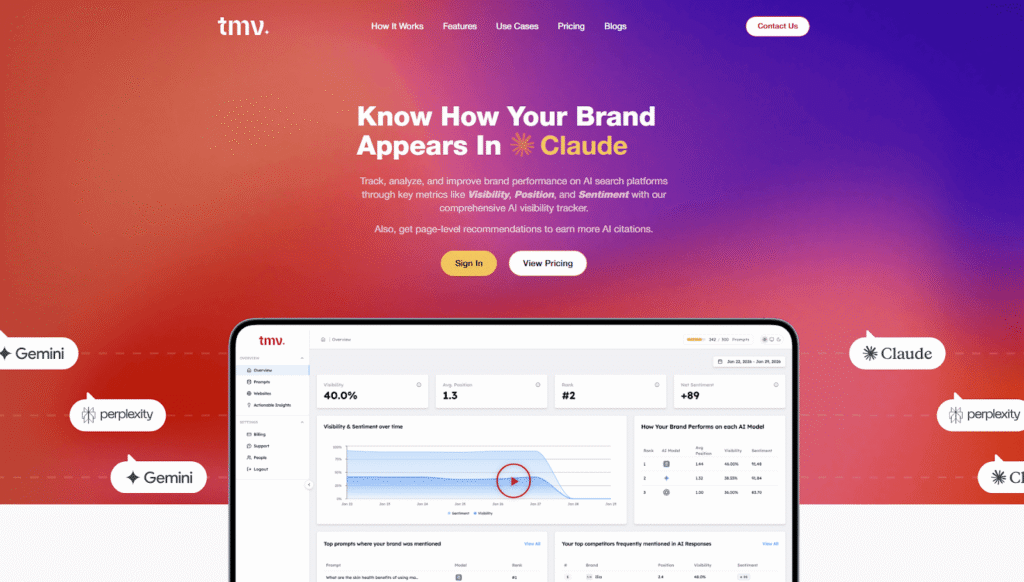
Track My Visibility is a monitoring tool built specifically to track how a brand appears across AI platforms like Claude and Perplexity. Rather than manually running prompts and checking responses, it automates the process of running regular checks and surfacing the results in a single, clear dashboard.
Track My Visibilities tracks:
- Visibility in AI Answers: Tracks brand mentions across Claude, Perplexity, and other AI platforms automatically, no manual prompt running required
- Sentiment Analysis: Analyzes how AI platforms respond to brand-related prompts, surfacing whether mentions are positive, neutral, or negative
- Competitor Tracking: Monitors how competitors appear across the same AI platforms, making it easy to identify visibility gaps
- Actionable Reports: Delivers clear, readable reports showing how brand visibility across AI platforms changes over time
See how Track My Visibility works to monitor your brand across AI platforms in real-time.
Claude AI Vs Gemini – Which One Should You Choose?
Claude and Gemini are both powerful tools, but the right choice shifts based on the specific task, team structure, and business priorities at hand. Here’s the thing about when to use Claude and when to use Gemini.
# Creating customer-facing content – Use Claude
For teams producing customer-facing content, Claude’s ability to maintain appropriate tone, demonstrate empathy, and represent brand voice consistently makes it the stronger choice.
For e-commerce brands where product descriptions and promotional emails drive conversion, the quality difference is noticeable.
# Need nuanced brand voice consistency – Use Claude
Brand voice consistency is another clear strength. Claude maintains a defined tone across LinkedIn posts, email sequences, blog articles, and product descriptions, making it particularly valuable for premium lifestyle brands, professional services firms, or any business where personality drives customer connection.
# Handling sensitive customer communications – Use Claude
For sensitive communications, complaints, refunds, policy explanations, or trust-related messaging, Claude’s safety-focused design keeps responses professional and contextually appropriate.
# Processing contracts or legal documents – Use Claude
Claude also excels at processing dense documents. Legal text, contracts, and complex reports are handled with genuine comprehension, parsing key terms and obligations, spotting inconsistencies, summarizing agreements in plain language, and flagging changes across versions.
# Heavily invested in Google Workspace – Use Gemini
For teams running their business on Google Workspace, Gemini’s native integration is transformative. Rather than adopting an entirely new platform, it enhances the tools already in use: Docs, Sheets, Gmail, and Calendar with AI assistance that lives where the work actually happens. The productivity gain is significant precisely because it eliminates constant context-switching.
# Working with multimodal content – Use Gemini
Gemini’s native image generation through Imagen removes a common production bottleneck. Social media teams producing daily content, e-commerce brands that need constant product visualization, and content marketers publishing at high frequency all benefit from having image creation built directly into the same tool used for writing.
# Analyzing competitor Google Ads strategies – Use Gemini
For teams investing in Google Ads, Gemini’s integration provides competitive visibility that’s difficult to replicate elsewhere, analyzing what competitors emphasize in ad copy, identifying the keywords they’re targeting, spotting messaging patterns, and tracking when strategies shift.
When You Should Use Both:
The most effective workflows combine Gemini’s ecosystem with Claude’s execution, each tool handling the stage it’s built for.
- Research with Gemini
Gather current market intelligence, competitive data, trending topics, statistics, and examples - Analyze with Claude
Synthesize research into strategic insights, identify implications, and develop positioning - Create with Claude
Write content incorporating research with sophisticated prose and brand voice - Generate visuals with Gemini
Create images to accompany written content
Final Thoughts: Which one to choose?
Claude excels at quality, nuance, and brand-critical content. Gemini wins on speed, current information, and Google integration. The right choice depends on the workflow: Claude for teams building customer relationships through content, Gemini for real-time competitive intelligence and data-driven operations.
But choosing the right AI tool is just the first decision. The bigger question is what these tools are already saying about a brand to potential customers. People are asking Claude, Gemini, and ChatGPT for product recommendations and vendor comparisons every day, and these models are forming opinions about businesses, whether those businesses are paying attention or not.
The brands ahead of this are already shaping those narratives through structured content, credible sourcing, and consistent messaging that AI platforms recognize and cite. Track My Visibility surfaces exactly how a brand appears across AI platforms, what sentiment those responses carry, and where opportunities are being missed, all in a single dashboard.
For businesses serious about staying visible as AI-driven discovery continues to grow, that kind of monitoring is no longer optional. Try our 7-day trial to find the plan that fits your business.
Frequently Asked Questions
Claude is optimized for deep reasoning, writing, and nuanced communication, while Gemini excels at real-time research, multimodal tasks, and Google-centric workflows.
Claude is better suited for blogs, whitepapers, emails, and brand storytelling due to its strong context handling and tone consistency.
Yes, Gemini performs better for live research, trend analysis, spreadsheet workflows, and tasks that rely on up-to-date information.
Claude fits strategy, content, and communication teams, while Gemini works best for analytics, research, and operations teams using Google Workspace.
Absolutely. Many teams use Gemini for research and discovery, then Claude for synthesis, writing, and final output.
Gemini has an edge in large-scale multilingual content due to Google’s localization and language infrastructure.
Choose Claude for thinking and writing, Gemini for researching and scaling, and use both if your workflows span content and data.
References
1. Attest Consumer Adoption AI Report