


What if the next customer who searches for your solution never sees your AI brand visibility at all?
Instead, they ask an AI platform a question, and it gives them a single answer, recommending a few brands it trusts.
If your brand is not one of them, you are invisible in AI answers.
This is how search is evolving in 2026. Users are no longer scrolling through pages of links. They are asking questions directly to AI platforms like ChatGPT, Gemini, Perplexity, and Google AI Overviews.
That means brand discovery no longer depends only on rankings.
It depends on whether AI systems recognize your brand, understand what you offer, and trust your expertise enough to include you in their answers.
AI search engines now evaluate brands as entities in AI answers. They analyze signals such as expertise, reputation, semantic relevance, and consistent information across the web before deciding which brands deserve to be cited.
So the real question for businesses today is: How do AI search engines see your brand, and does AI trust it?
Understanding how AI sees your brand is essential.
In this guide, you’ll learn:
- How AI search engines see your brand
- How it affects traditional SEO practices
- Why AI brand visibility in AI search matters
- How to optimize your brand for AI search
But first, let’s begin with a basic understanding of AI search engines.
Understanding AI Search Engines
AI search engines are modern search systems that use technologies like natural language processing, machine learning, and large language models to understand user questions.
Unlike traditional search engines that mainly match keywords and show a list of links, AI search engines try to understand the intent and meaning behind a query. They analyze the question and provide a clear answer instead of just displaying multiple websites.
AI search tools can understand conversational questions, follow-up queries, and complex searches. They also collect and summarize information from different sources to generate helpful responses.
Platforms like ChatGPT, Gemini, Perplexity, and Google AI Overviews use these technologies to give users direct answers and recommendations from trusted sources.
How AI Search Engines See Brands In Today’s Era?
AI engines do not evaluate brands the same way traditional search engines do. AI systems no longer only analyze pages and keywords. They also assess how people recognize, trust, and connect your brand across the web.
Here are the key aspects that influence how AI understands and evaluates brands.
1. Entity Recognition
AI first determines whether your brand exists as a recognized entity in its industry. When trusted platforms, directories, and publications consistently mention your brand, AI systems can identify and reference it more easily.
2. Semantic Relevance and Context
AI analyzes how your content connects topics and ideas. When brands cover subjects clearly, deeply, and consistently, they help AI understand their expertise and when to cite them.
3. Expertise, Authority, and Trust Signals
AI systems evaluate credibility through signals such as expert content, author expertise, reviews, and third-party mentions. Strong reputation signals help AI determine whether a brand is trustworthy enough to recommend.
4. Brand Reputation and Sentiment
AI monitors how people talk about your brand across the web. Reviews, media mentions, and online discussions influence whether your brand is perceived positively or negatively.
5. Cross-Platform Brand Presence
AI builds a holistic view of a brand by analyzing multiple sources such as websites, social media, backlinks, knowledge bases, and structured data. Consistent information across platforms strengthens brand recognition.
6. AI Brand Visibility Metrics
AI search visibility 2026 is measured by how often your brand appears in AI-generated answers, your share of voice in those responses, and the sentiment associated with your brand.
7. Personalization and Context Signals
AI platforms personalize answers based on factors such as user behavior, location, device, and search history. Because of this, different users may see different brand recommendations.
Together, these signals help AI systems decide which brands deserve to appear in answers, recommendations, and AI-generated summaries.
How Does This Affect Traditional SEO Practices?
AI-powered search is transforming how websites gain visibility. Here’s the quick difference to know:
| Traditional SEO | AI-Driven SEO |
| Focus on keywords and rankings | Focus on user intent and answers |
| Keyword matching | Semantic and contextual understanding |
| Backlinks are the main signal | Trust, authority, and expertise signals |
| Content optimized for pages | Content optimized for clear answers |
| Success is measured by clicks and rankings | Success is measured by AI mentions and citations |
| Short keyword searches | Conversational and long-tail queries |
| Optimized for search engines | Optimized for AI platforms and voice search |
5 Reasons Why Brand Visibility in AI Search Matters the Most
Here are five key reasons why brands should focus on AI brand visibility more than ever:
1. Control the First Recommendation
AI search engines no longer show dozens of options. They curate a small set of trusted sources. If your brand appears in those answers, you influence the buyer from the very beginning of their search journey.
2. Instant Credibility and Trust
When AI platforms like ChatGPT, Google Gemini, or Perplexity cite your brand, it acts as a strong trust signal. Users naturally assume that the recommended sources are reliable and authoritative.
3. Avoid Becoming Invisible in AI Answers
In AI-driven search, users often get answers without clicking multiple links. If your brand is not mentioned in those responses, you lose AI brand visibility even if your website ranks well in traditional search.
4. Shape Customer Decisions Earlier
AI-generated recommendations often guide how users compare options and choose solutions. Being included in these responses allows your brand to influence decisions before competitors even appear.
5. Secure a Long-Term Advantage
Brands that optimize early for AI-driven search build stronger authority signals over time. Once AI systems consistently recognize a brand as a trusted source, it becomes much harder for competitors to replace it.
How to Optimize Your Brand for AI Search?
Optimizing for AI search visibility requires a different mindset than traditional SEO.
AI platforms like ChatGPT, Gemini, Perplexity, and Google AI Overviews do not simply rank webpages. They analyze the entire digital presence of a brand before deciding which sources to cite.
Follow the given steps to optimize your brand for AI-driven search:
Step 1. Establish Strong Brand Entity Signals
AI search engines first try to understand whether your brand exists as a credible entity within its industry.
To achieve this, your brand information must be clear and consistent across the web. Your website, company profiles, and public listings should clearly explain who you are, what you offer, and what problems you solve.
Platforms like LinkedIn, company directories, and industry listings play an important role in strengthening these signals. When AI systems see consistent information across multiple trusted sources, they are more confident about recognizing your brand and associating it with specific topics.
The clearer your entity signals are, the easier it becomes for AI systems to include your brand in relevant answers.
Step 2. Build Deep Topical Authority
AI platforms prefer brands that demonstrate clear expertise in a specific area.
Instead of publishing random or disconnected content, focus on building strong authority around your core topics. Create detailed resources that explain industry concepts, answer common questions, and provide insights that help users understand complex subjects.
When your brand consistently publishes valuable information on related subtopics, AI systems begin to associate your brand with that knowledge area. Over time, this makes AI-generated responses more likely to reference your brand.
Topical depth signals to AI that your brand is not just another source, but a reliable authority within the category.
Step 3. Structure Content for AI Understanding
Even strong information can be ignored by AI systems if it is not structured clearly.
AI engines prefer content that is easy to scan, interpret, and extract information from. Use clear headings, short paragraphs, bullet points, and tables to present information in a structured format.
Starting sections with direct answers also improves AI visibility because AI models often extract the first clear explanation they find when generating responses.
If your answer is buried three paragraphs deep, it’s less likely to be pulled.
Step 4. Implement Structured Data and Technical SEO
Technical signals play a critical role in helping AI systems interpret your website.
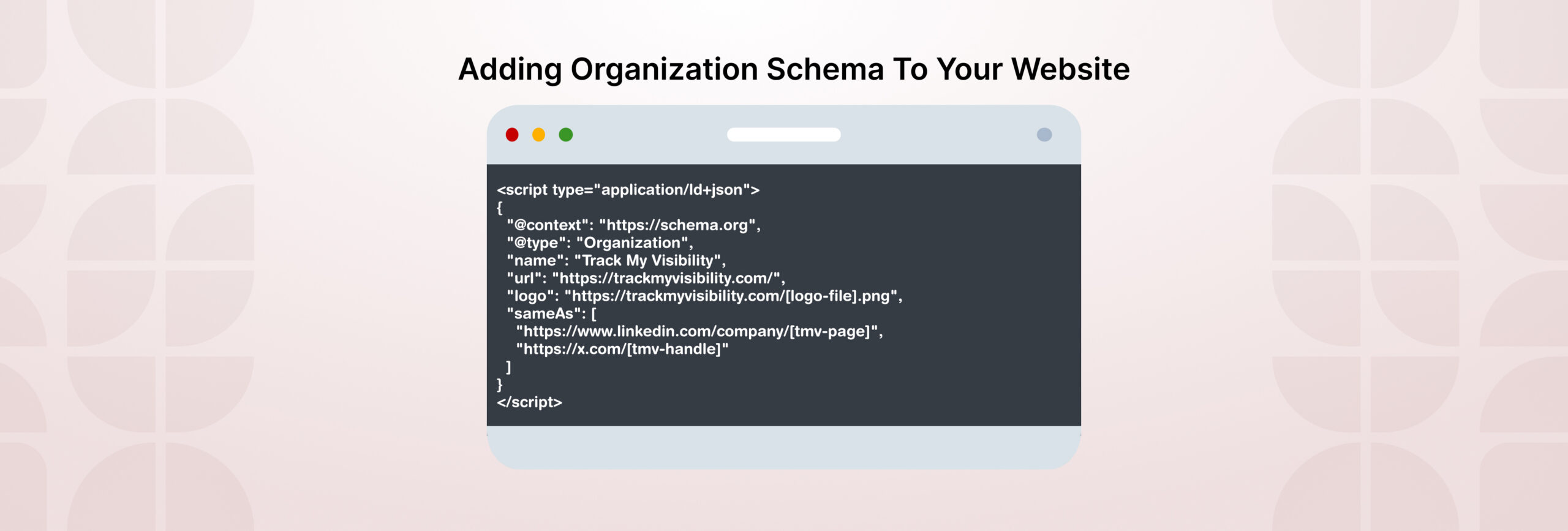
Structured AI visibility data, such as schema markup, provides additional context about your content, products, and organization. Using formats like FAQ, Article, Product, and HowTo schema helps machines understand what each page represents.
In addition, your website needs to perform technically well. Fast page speed, mobile-friendly design, clean site architecture, and proper internal linking all help AI crawlers access and analyze your content more effectively.
Strong technical foundations ensure that AI systems, including Google AI Overviews, can properly crawl, process, and evaluate your brand information.
Step 5. Strengthen Brand Authority and Reputation
AI engines place strong emphasis on credibility.
They analyze signals such as reviews, industry brand mentions, media coverage, expert contributions, and backlinks from reputable sources. These signals help AI determine whether your brand is trustworthy enough to recommend.
Publishing expert insights, sharing original research, and earning mentions from authoritative websites all contribute to stronger credibility signals.
When your brand is consistently referenced across trusted platforms, AI search systems become more confident in citing your content.
Step 6. Monitor and Improve Your AI Brand Visibility
Optimizing for AI search is not a one-time effort. AI brand visibility must be monitored continuously.
You need to understand where your brand appears in AI-generated responses and which competitors are being recommended instead. This helps identify content gaps and areas where your authority signals need improvement.
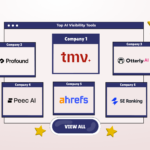
AI search visibility tools like TrackMyVisibility make this process easier by tracking how often your brand appears in AI answers across platforms such as ChatGPT, Gemini, and Perplexity. These insights help you measure your AI share of voice and refine your strategy over time.
By following these steps, you can improve your brand’s AI visibility and increase the chances of being cited in AI-generated answers.
How TrackMyVisibility Can Help You Stay Ahead of the AI Search Curve?
Understanding AI brand visibility manually is slow and unreliable.
TrackMyVisibility is an AI brand visibility tool that helps you clearly see how AI platforms view and recommend your brand.
Here’s why businesses choose us?
- Track your brand across AI platforms.
- Measure AI citation frequency.
- Identify AI visibility gaps
- Analyze AI responses at scale
- Get actionable optimization insights
- Monitor AI visibility over time
Ready to start AI visibility tracking and optimize your AI brand visibility?
Visit TrackMyVisibility and see where your brand appears in AI-generated answers.
Conclusion
Search is rapidly shifting toward AI powered search engines and AI-generated answers. Platforms like ChatGPT, Gemini, Perplexity, and Google AI Overviews are becoming the first place where users discover brands, compare solutions, and make decisions.
Because of this shift, AI visibility is no longer only about ranking on search engines. It is about whether AI systems recognize your brand, trust your expertise, and include you in their answers.
Brands that build strong entity signals, demonstrate authority, and maintain a consistent presence across the web are far more likely to be recommended by AI platforms.
We hope this guide helped you understand how AI search engines see your brand, why AI brand visibility matters, and what steps you can take to improve it.
Now it’s your turn to track your brand presence in AI search and start improving your AI visibility with TrackMyVisibility.
Frequently Asked Questions (FAQs)
AI search platforms analyze multiple signals before citing a brand. These include entity recognition, topical authority, brand mentions across the web, reputation signals, and how clearly the brand is associated with a specific topic or industry.
When AI treats a brand as an entity, it recognizes the brand as a distinct concept connected to specific topics, services, and expertise. This understanding is built from consistent brand mentions, structured data, and trusted references across the web.
Traditional rankings and visibility in Google AI Overviews are different. A page may rank well on the search engine results page, but if AI systems do not see strong authority, reputation signals, or clear topic associations, they may choose other sources for answers.
AI platforms rely on signals such as expert content, author credibility, consistent brand information, third-party brand mentions, reviews, backlinks from trusted sources, and structured data to determine whether a brand is trustworthy.
Traditional SEO measures success through rankings and traffic. AI brand visibility focuses on whether your brand is cited, brand mentions, or recommended in AI-generated answers across platforms like ChatGPT, Gemini, and Perplexity.
AI systems analyze information from many sources, including websites, directories, social media, knowledge bases, and industry platforms. Consistent brand information across these sources strengthens entity recognition and credibility signals.
Businesses can improve AI visibility by building strong topical authority, structuring content clearly, implementing schema markup, strengthening brand reputation, and maintaining consistent information across trusted platforms.
You can test queries across different AI platforms manually, but this process is time-consuming. AI search visibility tools like TrackMyVisibility help with AI visibility tracking by showing where your brand appears in AI-generated answers and identify opportunities to improve AI brand visibility.